27 min read
The Inflation Problem: How to Get Rid of Bloating

I was considering adding "Fast" to the end of this title (as a well-trained SEO lapdog that I am), but then remembered my own story of how I got rid of constant bloating (and I do mean constant). So, I chose to drop the misleading time stamp, especially for all of you ladies and gentlemen who are looking for natural remedies to deflate, and decided to go into full-on, honest story time. I hope those of you who weren't put off by the lack of expediency in this approach will appreciate the frankness.
First, let me make one thing completely clear, my dear hot (air balloon) friends. You're not fat! If you feel uncomfortable, gassy, heavy, sort of distended, and have a gut that's irrationally sticking out after a few bites of anything, you're not fat and don't let anyone convince you otherwise! You're bloated, and I'd bet money on some gut health issues going on there, causing the bloat. Therefore, a solution is not to go on a crash diet (elimination, maybe, as you may have sensitivities you're not aware of), but learning how to improve gut and metabolic health, which will, in turn, get rid of bloating as a downstream effect.
How did I learn what helps with bloating? Well, glad you asked. It was the tried-and-true method that evolution also loves, called "try and try again," aka infinite mistakes before a solution. My problem was mostly bloating after eating, and it was bad. So bad that old ladies would look at my stomach with that gleaming smile, congratulate me on the city bus, and offer me a seat if I had a bite of anything while on the go. That bad. I'm ashamed to admit it (yeah, you know where this is going), but I even accepted the seat a few times and thanked them profusely, making up a quick improv due date (because I was just so uncomfortable in my own skin that sitting down seemed like the right thing to do... btw I only felt more pressure).
It wasn't always like this. I did get an occasional zeppelin moment, but had to seriously abuse my body with hedonism to get there. Something changed about a year and a half ago. I remember it was a Saturday, and I was supposed to go to a friend's birthday party at 7 PM. At 6:30 (when it was time to leave the house), I was still trying on my gazillionth outfit in disbelief. All of these outfits fit perfectly fine a few weeks ago (which were closer to the post-holiday season).
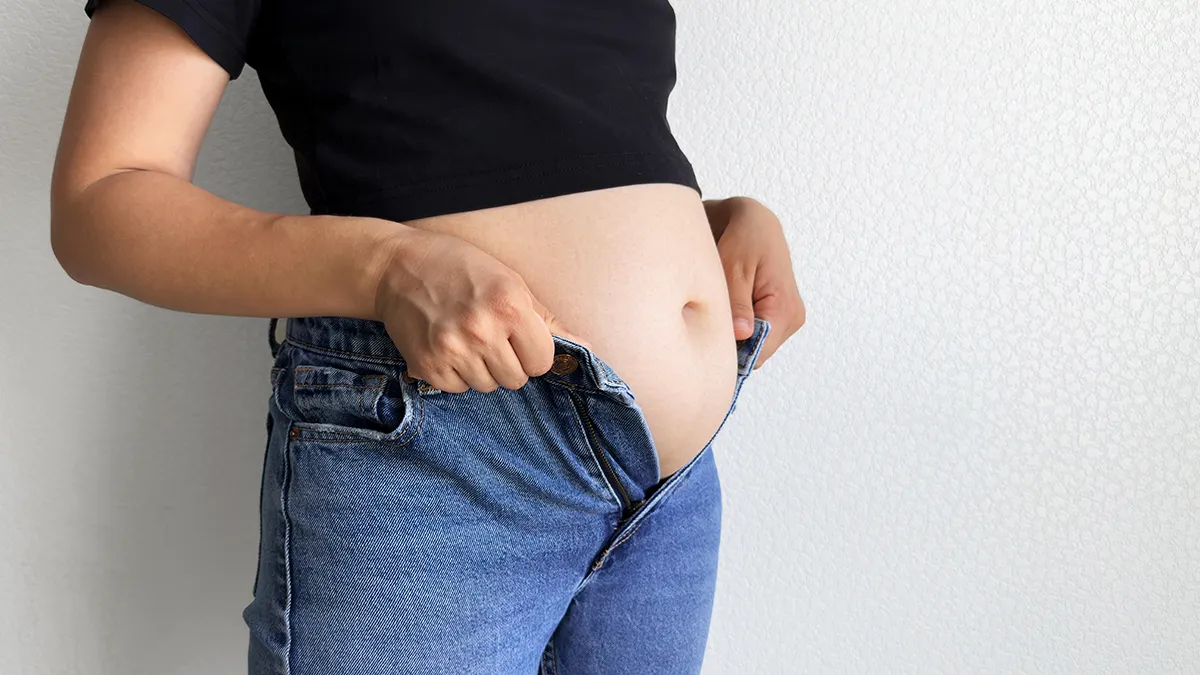
My stomach felt swollen, tight, not exactly painful, but deeply uncomfortable, and I was hyper-aware of my body. Like I was supposed to pass gas, which never came to pass (I’m proud of this sentence). I’d eaten a "healthy" late lunch, the one that the wellness culture promises will make you feel luminous and morally superior. I wasn't feeling superior but devastated, emotionally fragile, and highly motivated to cancel on my friend and just stay in my (stretchy) pajamas.
I went to the party, felt embarrassed, and hid my stomach in the semi-mumu I finally chose from the closet. I made up an excuse to leave early, hurried home, and did what everyone does when they’re desperate to figure out what causes bloating: I Googled aggressively into wee morning hours. For the next few weeks, I drank alarming amounts of peppermint tea, cut out random foods, bought expensive digestive enzymes I didn’t understand, and briefly convinced myself chickpeas were personally attacking me. Some things helped temporarily. Most didn’t.
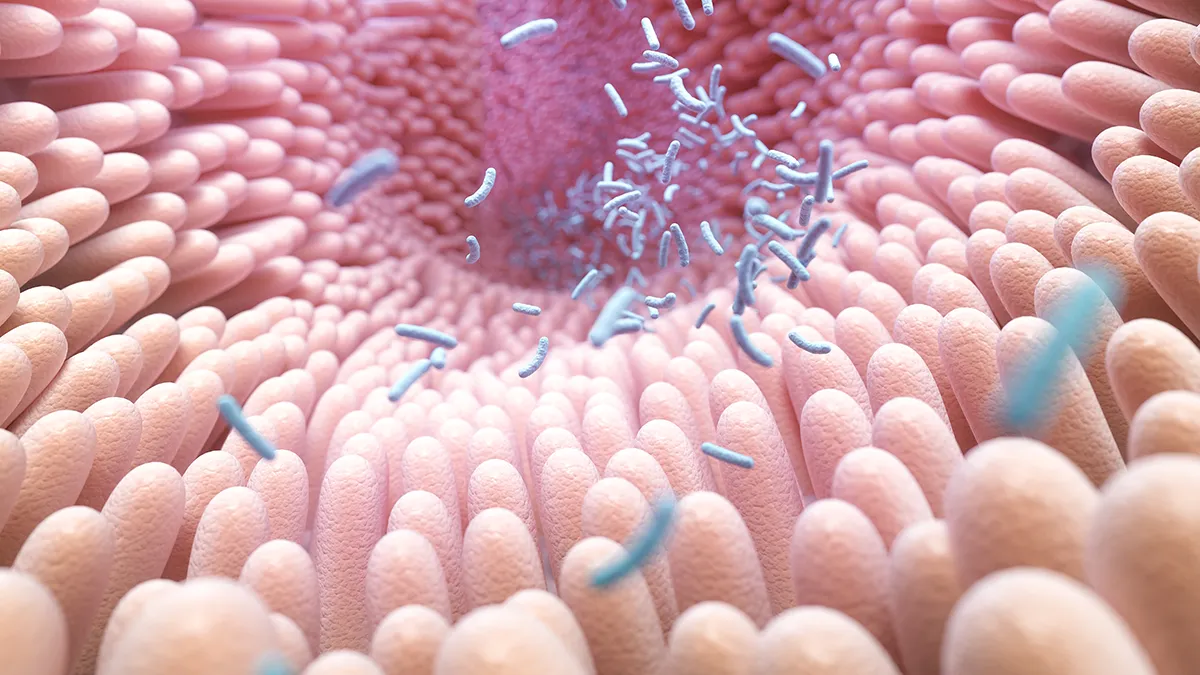
What about a doctor's visit, I hear you think over this screen (in a jumbled backward timeline). Yes, I've tried that too and highly recommend getting checked by a professional. I learned something valuable from these tests, even though I chose the natural way to fix myself. I figured out that my gut flora was decimated, as I had very little variety and was not big on fiber.
I'll give you a run-through of what to expect from the labs and tests a few paragraphs below, but in these first few paragraphs, I want you to understand what causes bloating and why you often experience it after eating. If you're taking some weight loss medication, it can be a GLP-1 drug side effect too, as the food sits in your stomach for longer than usual.
I'll go over the labs you'll need to run to help identify the cause of bloating (if it is not from medication). I'll also share all of the things that right out didn't work or sort of semi-worked, as well as what completely changed my digestive system (p.s. I was not really into gut health supplements or believed the stories of green juices for gut health (read: I was too lazy to be consistent; spoiler alert: I was wrong).
The turning point wasn’t a single miracle product or a dramatic elimination diet. It was slowly learning how to improve gut health sustainably, supporting my digestion in the long run rather than trying to “fix” it overnight. The change wasn’t just physical. My energy improved. My digestion became more predictable. My stomach stopped feeling like it was an entity entirely separate from me after every meal. It’s taken a few months to get my body back, although I’ve seen real improvement quite fast.
Basically, my goal and hope here today is that you benefit from hundreds of hours that I spent figuring things out so you don't have to, that all of the times I was uncomfortable at a formal dinner, when my close were sitting on what looked like a postmenopausal body, when I had all of my energy drained in na instant and felt like a shell of my former self, that all of that will not have been wasted. I hope you'll get some useful info on how to reduce bloating and discomfort, learn about some beneficial foods, and gut health supplements. I haven't been mistaken for someone in their second trimester for a while now, so I must be doing something right (imperfect, but good enough). So buckle up, get yourself a low FODMAP snack, and let's ride this dragon.
What Is Bloating & Why Does It Happen?
For those lucky ones, wondering what does bloating feel like, it feels like you're no longer the owner of this body and like you're helpless. It is not a purely aesthetic concern of not fitting some random beauty standard, but much deeper. You know something is off, but you always fall short of finding a solution and get confused about how a morsel of food can do this to your stomach as you look at your body profile in the mirror, despising this illogical digestive punishment.

Thankfully, I was not only bloated daily (which got worse before my period), but also stubborn and spent every free moment exploring what causes bloating, how to reduce it, whether there are any gut health supplements that may help a hopeless case like me, and trying to build a sustainable diet around the touted best foods for gut health.
But keep in mind that I didn’t even realize I was bloated at first. In my mind, you had to have severe stomach pain or some dramatic distension. Maybe we’re numbed out by the constant instant drama on social media and have somehow become less wired to notice gradual, subtle shifts. But, anyway, I didn’t realize until it got really bad. Besides outright drama, bloating can also manifest as:
- tightness after eating (you should feel comfortable, even if you’re completely full)
- pressure in the abdomen (can sometimes be felt if you overindulge, but it goes away as soon as your stomach starts digesting)
- visible swelling (not like after the holiday feast when you need to unbutton due to the sheer volume of ingested food, but a visible bump after a small or regular amount of food)
- trapped gas (you know that feeling, like you’ve been blown up by a bicycle pump)
- heaviness (you’d think you would feel light if you’re also feeling gassy, nope, it’s like a bag of stones in you; movement is a bother)
- burping (maybe even those that slip out in the most embarrassing moments without your control)
- discomfort when sitting down, especially if you lean forward a bit (due to the pressure on the stomach and bowels as you fold over)
- clothes suddenly fitting differently throughout the course of a day (the bloating is less visible in the morning because you’ve been fasting all night (the word breakfast means breaking a fast), so there was nothing coming in for the microbiome)
And when it comes to the already-mentioned bloating vs. fat conundrum, fat changes gradually over time. You will not gain five pounds of fat in a day, but bloating fluctuates and may make your stomach look 5 pounds heavier within hours. You can wake up flat-stomached and feel unnaturally protruded by dinner because bloating is related to many processes in our bodies, most significantly to:
- digestion (food needs to be broken down to smaller bits so the body can absorb it and burn it for energy in the presence of oxygen, and it will inevitably result in some byproducts like free radicals; living and breathing are inherently destructive)
- gas production (some amount of farts is normal, usually 10-32 times a day, with more being connected to high fiber diets; without uncomfortable symptoms, it’s just a normal sign that your gut bacteria are working because fiber is not for you but for them)
- fluid retention (high-carb diets (1g of carbs ties about 3-4 of water) or a lot of processed food and excess sodium can lead to fluid retention in the tissues; It’s a normal process for energy storage in the muscles and liver, but it can go haywire if you chronically overconsume)
- Inflammation (can happen anywhere in the body, including the gut, and when there is inflammation, water and white blood cells flow to that place to douse it)
- hormonal shifts (most commonly, chronically elevated cortisol in prolonged stress, and higher estrogen levels will result in water retention and bloating in the stomach area, which was the only thing I noticed about 5-7 days before my period)
- constipation (this one speaks for itself and you’re actually bloated because you’re backed up and not eliminating what should be eliminated daily, which also increases the chances of disturbing the gut microbiome; if you’ve gone three days without communing with the porcelain fairy, time to try some at home constipation remedies, if it’s been a week go talk to your doctor, maybe you need something stronger)
- food sensitivities (there’s an infinite amount of foods that can be healthy for some and a problem for others; if you notice you’re bloating after eating specific kinds of food, notice what they have in common - do they all contain lactose, gluten, high sugar, are they from the nightshade family…)
- gut bacteria changes (if you’re feeling extra bloated for a while and then it just goes away on its own, it might have been a transitory change in the gut microbiome due to the introduction of, for example, a new probiotic strain, exotic fruit you’ve never had, new food choices, lowering simple carbs, amping up fiber, an antibiotic course, or some other reason)
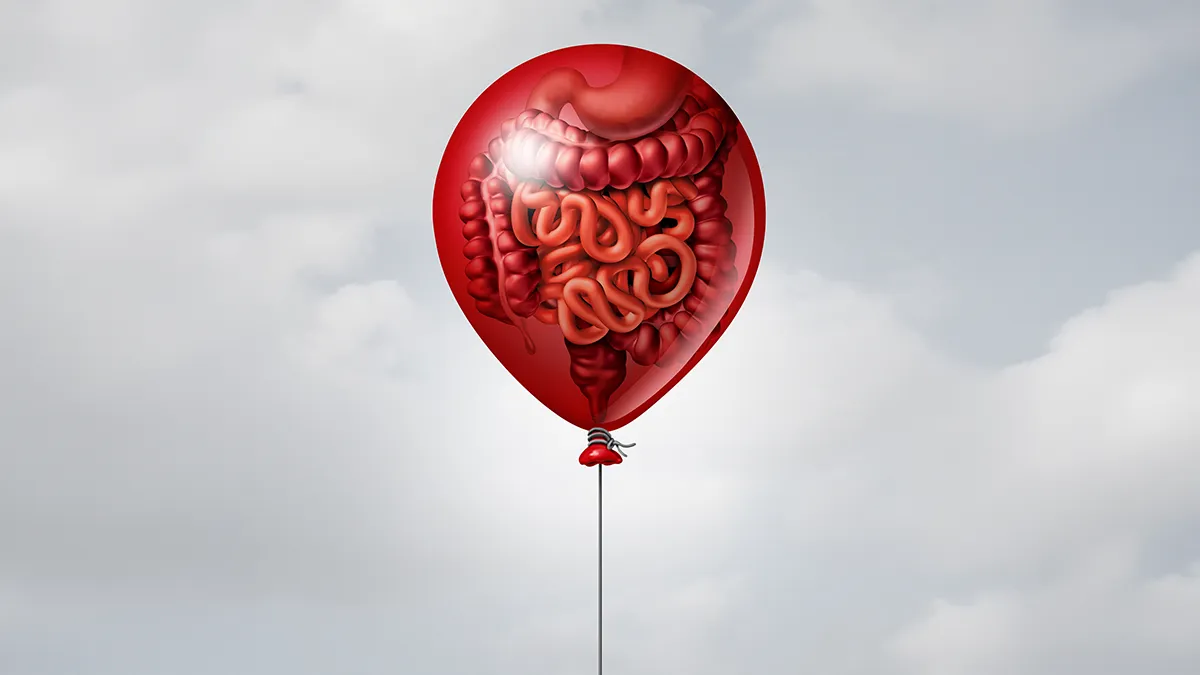
For many people, bloating after eating specifically occurs because food is fermenting in the gut and producing gas faster than the digestive system can comfortably handle. Some foods and food groups are far more likely to cause bloating than that salad packed with good fats.
.
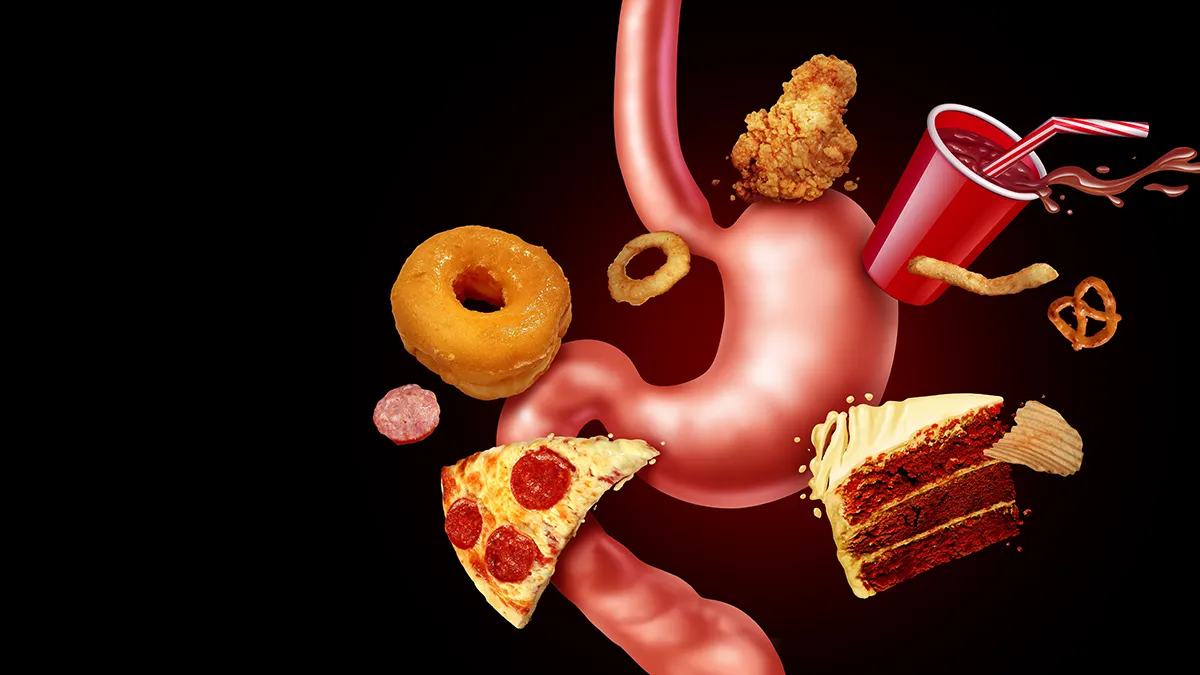
Common foods that cause bloating, and make you feel like that little girl who ate an experimental piece of Three-Course Dinner Chewing Gum in Willy Wonka’s Chocolate Factory, include:
- beans and lentils (if you’ve been alive on this planet, you’ve figured out this one)
cruciferous vegetables (some of the smelliest ones due to the rich sulfur content in cruciforas)
carbonated drinks (not a good idea if you have some gut dysbiosis; heal first, and then you can have a bit first) - sugar alcohols (even a fully healthy, robust digestive system has issues with any significant amount of alcohol; you may be fine with a drink or two, but more will overload the liver and GI tract, and in addition to feeling puffy and bloated, make you feel like crap tomorrow)
- ultra-processed foods (simple carbs and fructose (from the glucose-fructose syrup), and destroyed seed oils are the cornerstones of ultraprocessed foods, allowing for their spectacular shelf life, but keep in mind if a chocolate bar can be untouched by bacteria for 10 years and bacteria digest your food, then what you’ve given your body is not food; it’s a product and inflammation waiting to happen)
- salty meals (the mechanism we’ve mentioned, where the sodium in salt draws more water; if it is in the gut, the water will go there to clear the excess)
- excessive dairy for sensitive people (those whose small intestine does not produce enough enzyme lactase to break down lactose (the primary sugar found in milk); look, if you’re a grown-up mammal (kids can get away with it), which I’m going to presume you are, as you’re reading this here, you’re not supposed to drink unfermented milk of other species).
Ironically, some of the healthiest foods can temporarily increase bloating when your gut isn’t used to digesting them, like suddenly switching to a large amount of fiber if you’re coming from an ultra-processed diet. There may be a windy, bloated adjustment period, but it is transitory. Your microbiome is adaptable.
What Tests to Do?
I am not a doctor (though I like to smugly think of myself as a shaman of self-healing when I get something right), and I can only make decisions for this one body. So please, consult your own health care gal/guy. But this is sort of the standard practice on how a doctor will investigate severe or chronic bloating.
First, they will check for structural issues and obvious diseases with:
- Blood Tests: For celiac disease or other inflammatory conditions.
- Breath Tests: For Small Intestinal Bacterial Overgrowth (SIBO) or lactose intolerance
- Stool Tests: Infections, inflammation, or compromised absorption of nutrients
- Gastroscopy, colonoscopy, or ultrasound: for structural blockages
If they figure out what is wrong, you’ll get some form of treatment, like:
- For excess gas - over-the-counter simethicone
- Irritable Bowel Syndrome (IBS) or SIBO - targeted antibiotics (e.g., rifaximin)
- Cramping and muscle spasms - antispasmodics
- Self-caused by bad eating habits (khm, guilty) - work with a dietitian to eliminate trigger foods or approaches like the low-FODMAP (Fermentable Oligosaccharides, Disaccharides, Monosaccharides, and Polyols) diet. FODMAPs are short-chain carbohydrates (basically sugars) that the body may struggle to digest, so they are left to ferment in the large intestine, causing problems.
You may also get some of this advice:
- Slow down your chewing (to swallow less air and grind the food into a finer texture for easier digestion)
- Eating smaller, more frequent meals (if you’re having stomach issues, a few larger meals a day may be creating more problems due to volume)
- Taking light walks after meals (when you move, your gut moves also, and this will help with motility and moving stuff through in a timely manner).
What I Tried That Didn’t (Quite) Work
Before I figured out how to reduce bloating sustainably and stopped being lovingly flagged weekly by grandmas everywhere, I tried so many things that the Internet promised would work. I drank lemon water every morning like it was my job (I can still chug like a master). I did notice better number 2s from this, but not much else. I also eliminated gluten for two weeks (all yummy things have gluten, it seemed to me) despite having zero evidence that gluten was the problem (this was pre-doctor’s visit, it was not). I bought charcoal capsules because someone online described them as “life-changing,” which should have been my first warning sign (btw, if you’re prone to constipation, don’t). But I was naive and desperate, and still unwilling to undergo tests, quite satisfied to diagnose myself, a hypochondriac, but not actually willing to go and find out what the problem was.
Some habits helped a bit:
- drinking more water
- eating slower
- moving after meals
But none of this led to a sustainable improvement because I was treating bloating as a random cosmetic inconvenience, pissed off at the way my clothes fit, rather than acknowledging a gut health issue (as it turns out, chronic stress and always eating the same thing day in and day out decimated my gut flora).
The process to get healthy was much less glamorous than a fancy “detox,” or a “juice fast” (which I tried, and it made things worse; I suspect that I overwhelmed my liver with fructose because I used an insane amount of fruit to mask the veg, as one does), but way more useful.
The Two Things That Actually Helped Me
Green Juice for Gut Health
The first thing that genuinely shifted my digestion more permanently was adding green juice consistently. Not as a juice cleanse where you drink juice alone and abstain from chewable food, but in addition to a normal diet. It was a quick, low-effort way to increase nutrients and support my gut, as I was mostly not having breakfast, just had coffee on an empty stomach, and went to work, where I usually got a quick bite that was too processed for comfort. I’m not proud of this, but I’ve been eating like a lazy teenager for years before I got a warning from my gut. It was a disaster waiting to happen.
What helped was simplicity and consistency. I didn’t buy any exotic ingredients or spend loads on additives I can’t pronounce. Just picked up some extra food from my farmers' market. And if I may give a pro tip - when I say juicing, I mean more of a coarse blending, because once you just squeeze the juice and throw the fiber out, you’ve just done your gut a huge disservice. Fiber is the best part of fruits and vegetables.
I focused on simple, everyday ingredients that were cheap and associated with supporting digestion and reducing inflammation, such as:
- cucumber
- celery
- ginger
- spinach
- lemon
- parsley
- green apple
Nothing fancy, just introducing a few of the best foods for gut health into my day because they provide extra hydration, polyphenols, antioxidants, fiber, and digestive support. Spices are the star of the show if you can’t drink much bulk. Ginger, in particular, may help with digestion and waste elimination, which is why it appears in so many traditional remedies for nausea and bloating, since way back when. People before may not have been able to explain why, but they know what worked. If you feel really inflamed, a bit of turmeric and a pinch of pepper (to help with curcumin absorption) is a great addition, and the taste will be very diluted by the fruit and vegetables.
My Favorite Juice Recipes for Gut Health
These are super simple and quick, and there is no recipe for the amount of ingredients; put as much of each as you wish and adapt it to your taste. You can also substitute all of these for what you’ve currently got in your fridge. If you’ve got some berries about to kick the bucket, use them (but don’t mix bananas and berries in the same juice/smoothie, as a compound from bananas will block some beneficial polyphenols from the berries; I know, I was also surprised): here are some useful core combos you can tweak:
- cucumber
- celery
- lemon
- ginger
- parsley
Refreshing, hydrating, and surprisingly calming after heavy meals. I actually enjoyed the cucumbery parsley freshness (better to use fresh herbs in all of these, but in a pinch, dried will do). If you’re going to do some fruit, ideally, low FODMAP (Stick to berries, kiwis, citrus, grapes, and maybe less sweet tropicals).
- spinach
- green apple
- mint
- ginger
A good beginner option if aggressive green juices taste emotionally hostile to you. This is a bit mintier and fruitier, and I found it especially good in warm summer evenings in the garden with a whole lot of ice. If you try drinking it through a straw as a mocktail, the straw will get clogged, unless you blend it really fine, but really smooth blending will destroy some of the fiber content. Accept the chunkiness.
- cucumber
- lemon
- small green apple
- turmeric
- just a twinge of pepper
Bright, anti-inflammatory, and easier on the stomach than coffee on an empty stomach in the morning, plus the apple, especially if it is a bit tart, will mask the turmeric if you don’t enjoy it.
Alongside juice, I also started prioritizing more fermented foods for gut health, where the bacteria have actually done a lot of the heavy lifting and pre-digested some compounds that may cause bloating in the gut.
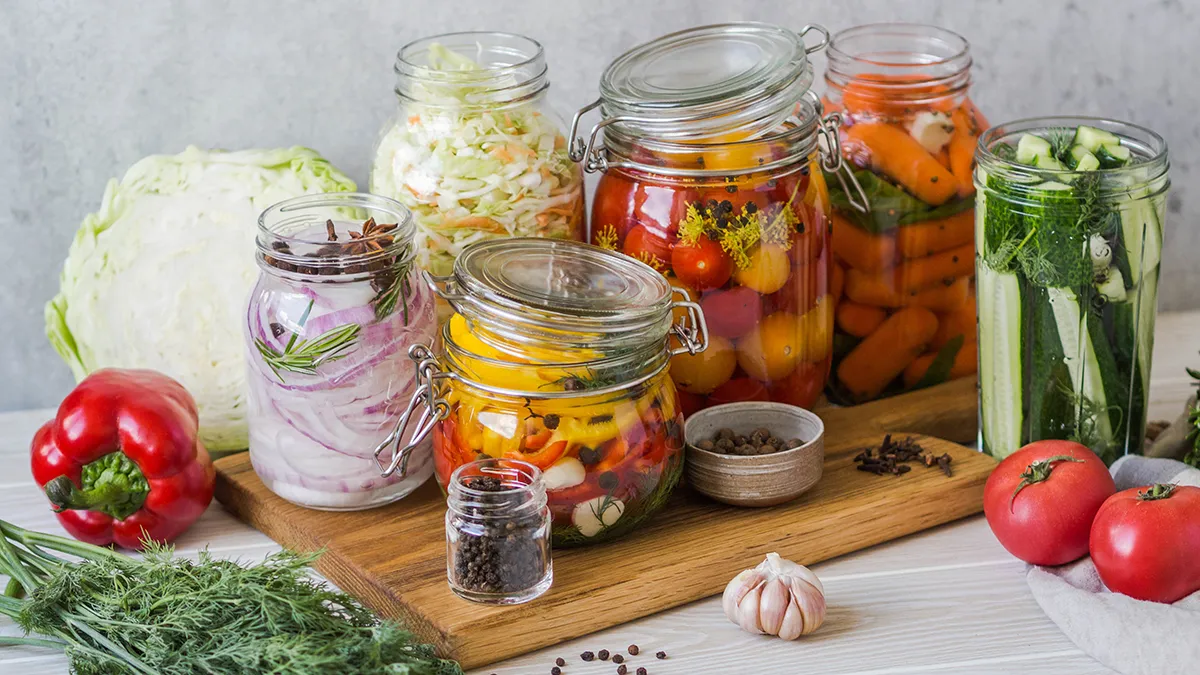
My favorites include:
- kimchi
- kefir
- yogurt
- miso soup
- fermented vegetables like sauerkraut and beets (aim for a cup a day).
These fermented foods for gut health can help support compromised microbial diversity, which matters because a healthier gut microbiome is associated with better digestion and immune regulation. By introducing probiotic foods, you’ll see the change in about a week; the microbiome can shift in a few days, but it can shift in as little as a day or two, because it responds to the nutrients you introduce very fast.
But in general, I set my new protocol into motion and, while I felt inklings of improvement in the first week, in about 2 weeks, I was sure that I was not imagining things by pure auto-suggestion, desperation, and investment bias. I noticed:
- I was not feeling as heavy after every meal, but I presume this is due to consistently choosing better foods. I was finally fueling the machine with what it needed.
- Reduced evening bloating. I remember the first day when I saw that my clothes fit just as well when I got home as they did when I left in the morning. I almost cried, and I’m not really that easily swayed by emotion. Maybe something got fixed in the neurotransmitters, too. I don’t know.
- More regular digestion, never really had that many problems here, (except when I was gobbling down charcoal).
- Less random stomach discomfort, which I got quite used to, but I have realized that it is not normal, only when it went away. People have an amazing capability to get used to a lot of things.
Gut Health Supplements
I must admit, I jumped onto this fad train too, but it turned out not to be a fad, and those years of eating like a saucy toddler on the brink of a tantrum have most likely led to some nutrition gaps and deficiencies that I needed filled. My targeted gut health supplements focused on probiotics (because I needed to get some support for my decimated flora) and a greens powder packed with prebiotics and some immune support.
A very important thing to know is that 90% of your immunity comes from a healthy gut. I’ve always seen it more as a blood thing, until a Googling session left me flabbergasted and explained why I seemed to pick up each passing germ around the time my worst bloating period was happening. It took getting to my mid-30s to emotionally understand what I’ve always cognitively known - supplements are not replacements for whole food diets, they are a gap filler, because none of us is perfect, including myself. Hey, ask anyone who knows me (except my husband, he’ll see it as a trap). I screw up on a regular basis, but try to learn from it each time, and fail less miserably in the next round. This is the most a human can do - keep learning and growing.
Probiotics for Bloating
The best probiotics for gut health aren’t necessarily the ones with the highest number of exotic strains. It is the one you will remember to take. There is a war going on inside of you all the time, with betrayals, alliances, guerrilla attacks, retreating, and advancing. Based on how you supply the battlefield, the good or the bad guys strengthen and weaken in numbers.
People often wonder why they need to keep taking the probiotics. Doesn’t it mean they are ineffective and don’t survive? No. This means that your gut is in constant flux and that battle is always going on. There are always pathogens and parasites trying to win a bit of land, and eating probiotic foods or taking probiotics is a direct aid to the good guys. It does not guarantee long-term success, because our eating habits often actively feed the enemy armies (which love, love sugars and simple carbs).
When you’re looking for a probiotic, always look for
- clearly labeled strains, you need to know what’s in there
- clinically studied bacteria, like Lactobacillus and Bifidobacterium, which seem to help
- refrigeration instructions if needed (a very good idea to keep your probiotics in the fridge)
- transparent dosing (although these are living cultures, which, if you “overdose,” will be controlled by other cultures in your gut; unfortunately, an overdose rebalancing can cause more bloating and gas)
- minimal filler ingredients (this goes for all supplements and medications)
Some people will improve dramatically with probiotics; others will feel no difference; and some may even feel more bloated at first as the microbiome adjusts. All of this is normal, and may just indicate that a lack of beneficial bacteria was not your problem if nothing changes, or that you’ve just had a huge die-off of the bad army and are feeling lousy until the body clears it out.
Greens Powder for Gut Health
I was skeptical about greens powders because many taste like lawn clippings blended with regret. I’ve never tried one before, and I didn’t think I needed one since I had my smoothies. But then I had a period where I did a lot of traveling, and was not into carrying my Nutribullet around, and I was slipping on my whole foods diet as I wanted to try all of the local street food. I started skipping the greens and noticed some symptoms were returning, so my first greens powder was not actually for bloating per se, but sort of a travel-friendly version of a smoothie for a lazy person.

A good greens powder for gut health can help increase:
- micronutrients
- plant compounds
- digestive enzymes
- fiber intake
Especially on days when you’re in survival mode or go a bit on a gluttony binge in a new country. You should choose something that you tolerate well, enjoy, or at least don’t mind drinking (because you won’t use it otherwise if it feels like a punishment, you know you won’t), and something that has clinically relevant levels of compounds that are important to you, and ideally an all-in-one mix-and-drink thing.
Look for organic ingredient sourcing and purity guarantees that test every batch, and third-party assessments that will ensure you're not ingesting any contaminants or heavy metals, guaranteeing that what's on the box is in it. For my temporarily globe-trotting self, it was very important to get the green powder with prebiotics (what the probiotics eat), probiotics (5B+ CFU preferred), and ideally digestive enzymes to maximize nutrient absorption, something especially important if you have a disturbed microbiome with enzymes out of whack.
You can look around for the best gut health supplement on your own, or browse comparisons. I can only share a personal experience with the one I chose and still use - FAQ™ Pure.
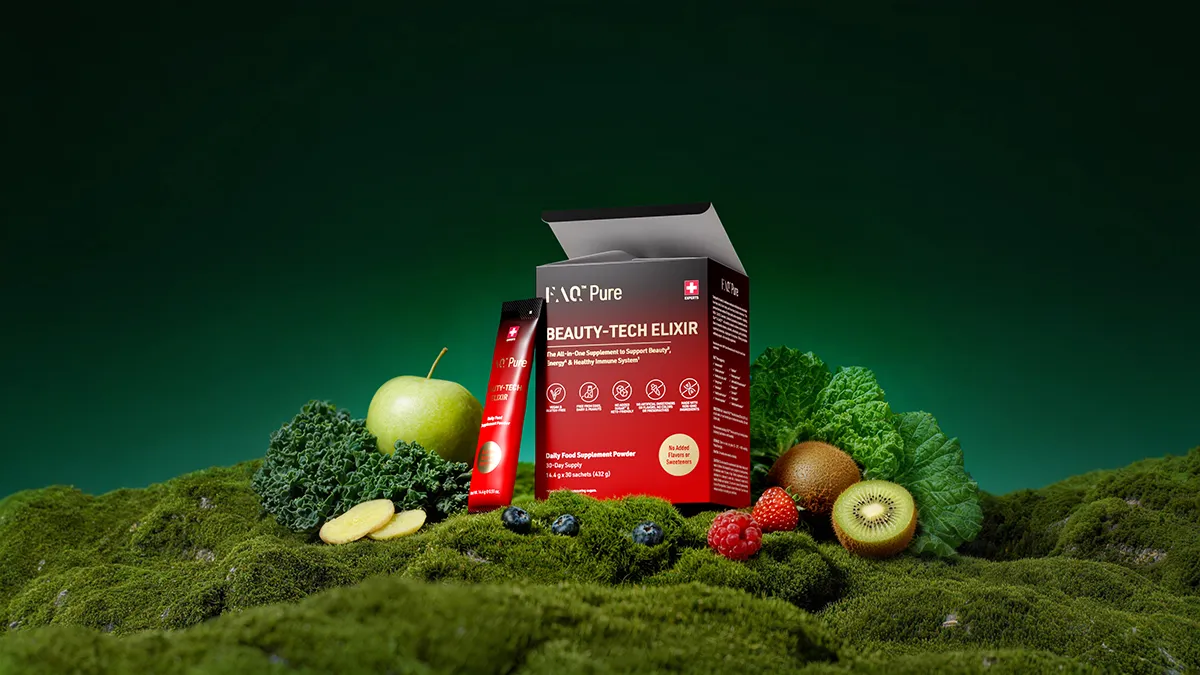
It was not some willy-nilly put-together bunch of semi-proven stuff, but a carefully constructed interplay of elements that took 5 years to finish. They were really serious about fixing the gut while providing all the neccesary vitamins and minerals, because they understood that all they’re offering means nothing if your gut cannot absorb what it's been given. Btw, this is why most supplements do nothing. Not necessarily that the brands made a bad product on purpose (how would that serve them or their repeat business reputation), but they just do not get absorbed in a compromised microbiome.
The FAQ™ Swiss brand created a smart, super green supplement that forgoes ingredient competition to create something collaborative with your body, designed to help restore balance, and has focused on finding the ideal active ratios of nutrients, for example, zinc and copper. It is an all-in-one (because you've met me by now, and know I'm lazy, and you’ve met yourself too) that values transparency and brings clarity amongst the clutter of opposing advice. And the opposing device feels really defeating when you have a problem that’s affecting your daily life and ability to function as a (semi) normal (I’m not even gonna pretend, but you know what I mean) member of society.
The Pure greens powder was 3rd-party tested, and *87% of participants who tried it reported a visible reduction in bloating and a smoother digestive experience within only 14 days.
*Based on an ongoing study with 31 participants aged 24-47 years, over a 6-week period.
FAQ™ Pure comes in a container where you just scoop out your daily amount, or as pre-prepared sachets (which I got when I was traveling; now I get the container to minimize the packaging). It features 85 high-quality calibrated actives, including clinically proven NAD+, CoQ10, Quercetin, Creatine, Magnesium, and super mushrooms, and a whole lot of vitamins, minerals, antioxidants, probiotics, digestive enzymes, botanicals, and adaptogens. It was designed to support (gonna take this from their page):
✔ Immune health
✔ Cellular protection
✔ Healthy skin, hair, nails
✔ Energy levels
✔ Metabolism
✔ Digestion
✔ Blood sugar levels
✔ Healthy brain function
✔ Joint health & Muscle function
✔ Hormonal regulation
✔ Bone health
✔ Eye health
✔ Heart health
✔ Healthy blood formation
It also comes in a natural flavor, which you might not enjoy if you don’t like the food that is good for you, tasting that healthy, and in a berry flavor. I tried to go all spoiled with the berries at first, but I actually prefer the regular ones, which I consider personal growth, and no one can tell me otherwise.
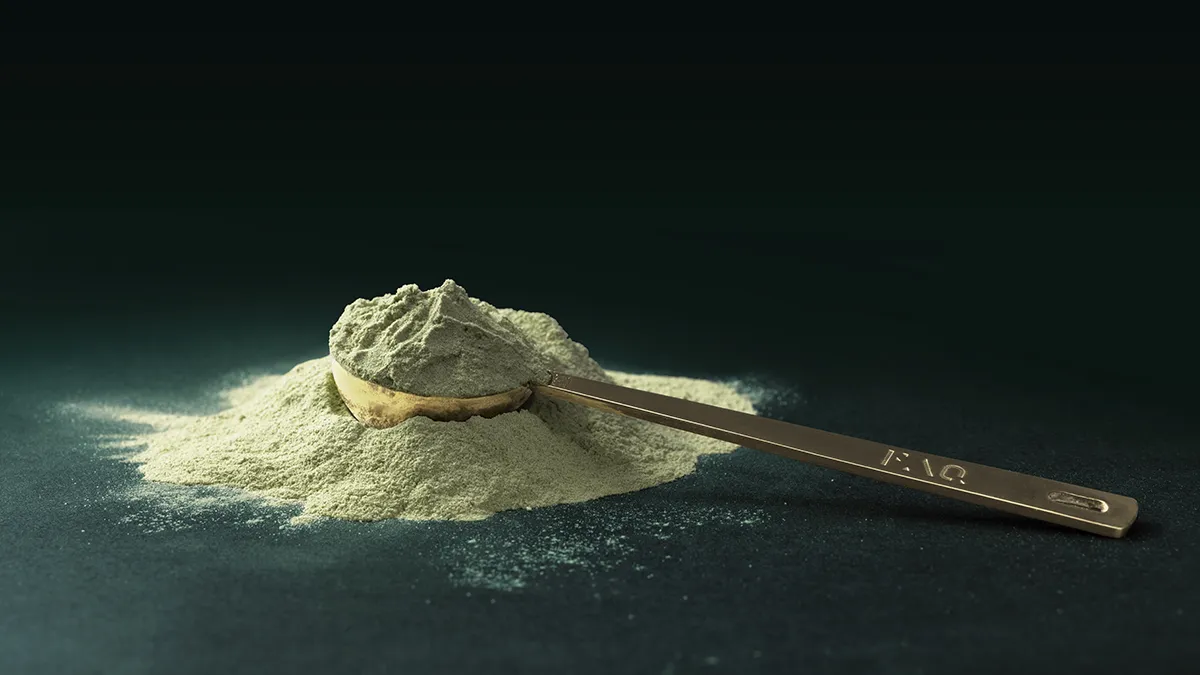
I usually drink it as is with a cold plant milk or ice water (have also tried refrigerated mint tea in summer, yum), but sometimes I just add a scoop into my smoothie and much prefer the taste of fresh berries with it to the berry-flavored green powder, but that’s just me.
What Helps With Bloating: (All-Natural) Extras
Peppermint & Ginger Tea
I know that you swear if you hear one more peep about drinking more tea, that you’ll go all Her Highness ballistic around 5 PM and beat someone silly with a saucer. But look, peppermint helps relax digestive muscles, and ginger supports motility and digestion. Do with this information as you wish.
Walking After Meals
Even a 10-minute walk helped reduce that “food sitting like a brick” feeling, aaand if you’re a carb lover (because you also love life and kittens), a short walk after you eat will do wonders for blood sugar control. Muscles are insulin-independent and can take up glucose from the blood on their own, providing welcome relief to your pancreas (which pumps out large amounts of insulin after a carby meal).
Stress Reduction
Easier said than done. I too feel overexhausteimulated at the end of some days and feel the pressure building inside like I was gonna go supernova any minute now. Explode, implode, and then swallow all matter (you can usually find me hanging around the fridge around that time) in my vicinity. Unfortunately, you’ll have to force yourself to breathe, girl/dude. Your nervous system absolutely affects digestion. Which means chronic anxiety and bloating often become deeply annoying codependent roommates. Sucks, but it’s true. And if you’re always stressed, you’ll resort to quick bites rather than a home-cooked meal, which you’ll feel is an overwhelming task.
Water!
Not energy drinks, concoctions of electrolytes (unless you’re a pro athlete), caffeine, or juices. Water! Drink water (I do not dare mention tea again). Counterintuitively, dehydration can worsen bloating and constipation. You’d think less liquid would deflate you. No. You need liquid, as your body uses it to clean house, and it will be done sooner if you’re not dehydrated. If you’re hungry and headachy, you’re actually dehydrated.
Fast Bloating Relief
You may be doing everything right and still end up in the deep end of the pool after a pizza party, holiday feasts, or a night of some social drinking. This is a quick little guide on what relieves bloating fast for me. You may have your own go-tos, but this works for my body when I’m being naively indulgent.
- A walk, sometimes a short one, will do, other times I need to push to half an hour or an hour, and I feel great afterward. Movement stimulates digestion surprisingly well.
- Don’t go for a carbonated drink because you think it will help; don’t repeat my mistake. Even sparkling water has made it worse. Drink regular water or the T-word in sips, not downing a liter at once.
- A heating pad, if it’s more of a muscle-related pain, like cramping which may or may not be food-related.
- No big meals that day, please
- Belly breathe. It sometimes helps to get things going in the bowels and lowers stress at the same time - double whammy.

FAQ Lightning Round
What does bloating feel like?
Bloating often feels like:
- pressure
- tightness
- swelling
- burping
- fullness
- trapped gas
- discomfort after eating
Some people also notice visible abdominal distension.
Bloating vs fat — how do I tell the difference?
Bloating fluctuates quickly, sometimes within hours or days. Fat changes more gradually over time.
If your stomach appears much flatter in the morning and more swollen later in the day, that’s a sign of bloating issues.
What causes bloating after eating?
Common causes include:
- gas production during digestion
- eating too quickly
- food intolerances
- large meals
- constipation
- high sodium intake
- carbonated drinks
- gut microbiome imbalances
How long does bloating last?
Temporary bloating may resolve within hours. Chronic bloating can persist and may need a closer look at your digestion, stress, hormones, or underlying conditions.
Are probiotics good for bloating?
For some people, yes. Certain probiotics for bloating may help support digestion and microbial balance, but results vary depending on bacterial strains, dosing, diet, overall gut health and sometimes improvement takes weeks.
Conclusion
If there’s one thing I wish someone had told me while I was standing in front of that mirror, emotionally devastated by a salad, it’s this: bloating is not a moral failure, not a forever state, or proof that you’ve let yourself go. It is information from the gut that gives you warnings before something more serious goes wrong. Sometimes annoying, painful, socially inconvenient information, sure, but still information. Your gut is trying to communicate, not ruin your life. And the good news is that the gut is surprisingly adaptable and can heal and repair.
The microbiome is not some fixed destiny assigned to you by the universe. It changes constantly in response to:
- what you eat
- how you sleep
- how stressed you are
- whether you move your body
- whether your digestive system is getting support or being thrown into nutritional warfare daily
Science is only beginning to fully understand how profoundly the gut influences everything from inflammation and immunity to mood and energy regulation. This honestly explains a lot about why feeling chronically bloated can make you feel like a haunted Victorian child with low morale.
But healing usually does not happen through punishing our body more or orbiting eating disorders with bans on this and that, obsessing over every morsel of food.
For me, improvement came from consistency with:
- more whole foods
- more fiber
- more fermented foods
- less stress
- better hydration
- smarter supplementation with probiotics and a green powder for gut health
- fewer ultra-processed foods
- and finally treating my gut like an ecosystem instead of a malfunctioning machine
And no, I’m not magically cured forever. I can still overdo it and inflate like an exhausted parade balloon. Biology keeps us humble like that. But now I understand what my body needs, how to address bloating rather than blindly fight it, and how to recover quickly when things go sideways.
So if you’re currently uncomfortable in your jeans, suspicious of your stomach, and wondering whether your body has betrayed you, it probably hasn’t. It may just need support, patience, better bacteria, and perhaps slightly fewer cakes and cookies. Bloating is a warning, a signal from the body to change something. Treat it as such. And it’s not a bad idea to say thank you when it happens. I thought it was the dumbest thing I’ve ever heard when my fellow zeppelin sister said something along the lines of thanking the bloat. The poor woman must have gone mad. But it truly was a teacher, and she was right. So thank you, Julia, and thank all of you wonderful people who are trying to learn. Stay cool, curious, eat well, love hard, and enjoy living in your gorgeous body.





Leave a comment