18 min read
Is Green the New Red? Green Light Therapy Science & Benefits

Green means go, or in this case, go-go-go for our skin. Or at least, that's what the beauty industry would like us to believe. Green LED light therapy promises everything from a more even complexion to calmer skin and fewer dark spots, but is this just magic thinking, wishing on a star, autosuggestion, and investment-bias-affected reports, or is there a real scientific foundation on which we’ve built this beauty tech edifice?
When every new light panel, face mask, and glowing gadget claims to be the next big thing in a dynamic beauty industry universe, it's hard to know what's actually worth our time and what's simply very good marketing.
Chance alone will guarantee that not all of the new treatments and devices in the ever-evolving world of beauty and wellness are high-quality therapies with real results. This is always the problem of information warfare - what we call good marketing by brands as individual entities ends up as noise when combined. It leaves a confused customer who doesn’t know who to trust, so chooses to trust no one. This translates to lost benefits for the user and lost profit for the brands, just due to lack of clear communications. No one wants to hear big words to simulate scientific-like language, or to be talked down to like having an IQ of an orange. We all want a straightforward answer to whether green light therapy works, how it works, for what concerns, and whether it is a better or worse choice than the famous red light therapy.
That's why MYSA goes deeper in exploring green light therapy effects. We will explore the science behind green light therapy and how this simple intervention can contribute to your beauty and well-being. Contribute, not make you 15 years younger overnight or launch spaceships as you make shakshuka.
Green light therapy is interesting, particularly for people who are experiencing issues with pigmentation and inflammation, but it's also a treatment where the science matters. Not every LED device is the same; not every wavelength (color) of light does the same thing. Red and green light therapy hit different concerns, and more light exposure doesn't necessarily mean better results because there’s a limit to the light energy the cell can absorb in a sitting.
What is green light therapy?
Humans are used to categorizing stuff as one thing or the other. Dualism throws us for a loop, and it’s hard for us to acknowledge spectrums, but green light (all light in fact) is a spectrum. “Green light” isn't just a single wavelength. The green portion of the visible spectrum is roughly 492–570 nm (nanometers), while the entire visible light overall is approximately 380–700 nm (imagine a rainbow laid down flat; that is the visible light spectrum, and each color has its own range of wavelengths). A nanometer is one billionth of a meter (10⁻⁹ meters). And yes, I, a non-billionaire, had to go and double-check how many zeroes there are.
Do wavelengths even matter? Yes, because different wavelengths of light interact with skin differently, such as penetrating deeper or more shallowly and stimulating different processes, such as red light activating the cell mitochondria to rejuvenate, and green being great at calming inflammation and fading hyperpigmentation.

The lab coats exploring the effects of visible light on skin issues, such as pigmentation, show that wavelength, dose, and exposure parameters can change the skin's response, which is why you should know the wavelength of an LED device when evaluating its claims and its validity for your needs. Should and would are also not the same things, because knowing the wavelength has little practical value if you don't know what to do with the number. So, as a shorthand, please get your LED therapy devices from reputable manufacturers where you're certain that all of the components have been checked for safety and efficacy.
Rather than being one standardized treatment across the board, “green light therapy” isn't a single wavelength. It can refer to devices using different wavelengths within the 492–570 nm range, so a 505 nm device isn't biologically identical to one emitting 520 or 550 nm light.
What does green light therapy do? The most interesting area for green light therapy right now is pigmentation and uneven skin tone, although research into green LED therapy is still developing.
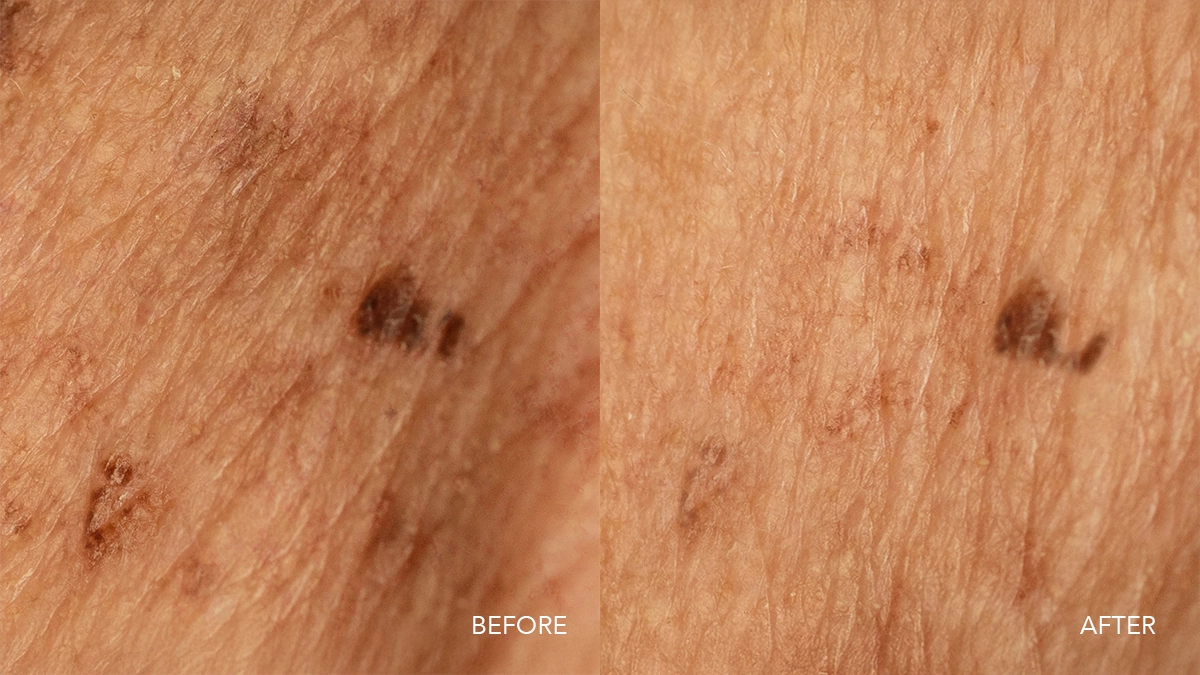
For example, a 2025 human intervention study focused on the effects of 505 nm green LED in reducing melanin content in the skin. The study reported improvements in facial pigmentation, proposing 505 nm green light as a possible tool to tackle hyperpigmentation, while 532 nm green light has been shown to protect cells from UVB damage.
Green light has been investigated for its potential effects on melanin and pigmentation, while LED therapy more broadly has also been studied for inflammatory skin conditions and acne, pertaining mostly to blue light), or the potential for skin healing and rejuvenation of red light therapy, including the NIR (near-infrared) and IR (infra-red) wavelengths. These penetrate deeper into tissue to reach muscles, tendons and joints and are also used in medical settings.
Green light vs. red light vs. blue light
Effects of various light colors vary, and you should be clear on what you’re looking for, what you need, and the amount and speed of progress you expect from a non-invasive method such as light therapy. It is not a single-use fix, and the results are cumulative over time, since light energy works with cellular mechanisms on a body clock schedule, unlike a blade intervention or a chemical peel.
We’ll give you a quick cheat sheet for the most commonly used colors of light therapy (green, red, and blue). When you're shopping for an LED device, this is the distinction you really need to understand. Or simply invest in a device that can switch through wavelengths. These are usually more expensive but worth it if you’re planning on hitting multiple skin concerns at once.
Green LED light
Is commonly investigated for its effects on melanin, pigmentation, skin tone, and UV damage prevention and recovery. The results are very promising, but more research is needed to see how far we can push the benefits.
Red LED light
This is the most well-studied wavelength and superstar of light therapy, gaining popularity for its effects on fine lines, wrinkles, inflammation, and signs of aging. Once tested for its cancer-destroying properties, it failed, but very effectively healed wounds and regrew fur, went to space with NASA to heal cuts and grow greens, and is now often used in medical settings and to reverse hair thinning. The anti-aging evidence is well documented, and it seems to help heal skin faster and reduce inflammation in acne too.

Blue LED light
Is best for acne and blemish-prone problematic skin. It doesn’t penetrate as deep as red light but has a unique property of destroying the acne-causing bacteria on the skin surface, preventing the spread of acne to healthy skin surrounding the blemish, and fading the existing acne lesions.
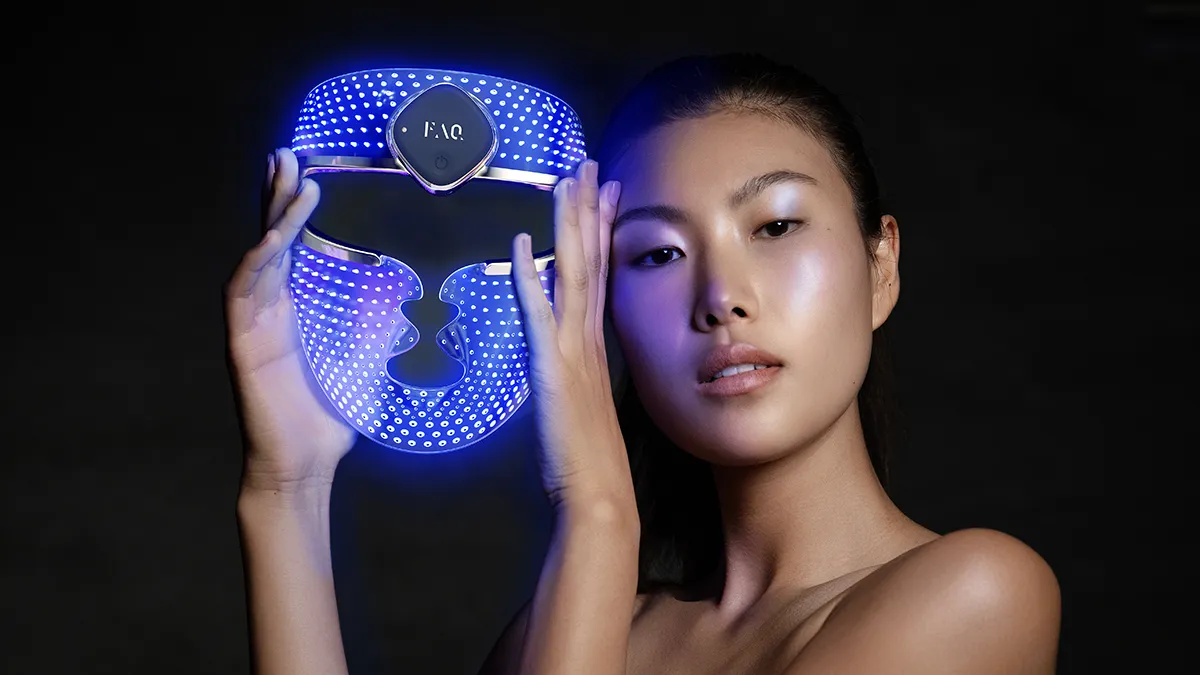
Neither of these wavelengths is “better” than the other. Different colors are being studied for different jobs, and it would be silly to assess them by the same criteria (something to remember for life). You may need a device capable of multiple wavelengths, or you may just have a premature aging issue you want to target, or want some cellular-level prevention because you’ll be spending more time in direct sunlight.
Green light therapy & hyperpigmentation?
Hyperpigmentation happens when the skin produces or accumulates excess melanin. Melanin is nothing foreign to the body. It is a natural pigment that gives color to our skin, hair, and eyes. People with albinism can have it severely reduced or completely absent, which accounts for their fabulous appearance. Melanin is produced by specialized cells called melanocytes and is not there just to produce the stunning variety of hair, eye, and skin color in our species (we’re just fabulous, aren’t we; look at the people around you for a bit).
Its job is a more important one of shielding against the sun's radiation by absorbing harmful ultraviolet (UV) rays. This protects your cells from damage so they can carry on their essential work of staying healthy and keeping you alive. By protecting from the sun, melanin becomes more active and darkens (that’s a tan BTW – inbuilt protection); melanin can create darker areas or uneven pigmentation. Sun exposure is one of the major contributors to hyperpigmentation, which is why sunscreen remains the non-negotiable foundation of any pigmentation routine. There is no point in trying to pick up the water without closing the overflowing tap.
Green LED therapy has been investigated as a non-invasive way to target pigmentation and potentially improve the appearance of uneven skin tone. Preliminary exposure of cells to green light can prevent some UV damage, as proven by the 505 nm study mentioned above, but! Don’t you just love that life always has a “but”! But green light is not sunscreen, and if you’re gonna be frolicking in the sun for any extended amount of time, go grab yourself a wide-brimmed hat and a flowy dress (plus you’ll be chic and mysterious if you add some sunglasses) and put sunscreen on skin that will be directly exposed.
Green light needs more comprehensive studies, as the data we have now is sometimes conflicting, and it is worth noting that we're not all the same and that sometimes the effect and success of light therapy may depend on your skin type. Moreiras H, O'Connor C, Bell M, Tobin DJ. In a 2021 study, “Visible light and human skin pigmentation: The importance of skin prototype,” concluded that green visible light can sometimes increase melanin production in some Fitzpatrick skin types.
Can green light therapy help acne?
Possibly. If you're specifically looking for a light therapy device to control acne, sebum overproduction, and breakouts, you're better off focusing on a blue LED light acne device. But there were studies that showed promising results with green light as well.
The Effect of Photodynamic Therapy Using Indole-3-Acetic Acid and Green Light on Acne Vulgaris (2012) by Hyun-Soo Lee, Sung-Min Kim, Jung-Hyun Kim, et al. The study followed 25 people with acne who received five treatments, each session a week apart. It included indole-3-acetic acid (IAA) followed by 15 minutes of green light, and in five weeks both inflammatory and non-inflammatory acne lesions significantly decreased; therefore, the IAA and green light combination was concluded to be effective and well tolerated.
A study published in the British Journal of Dermatology in 2011, as a comparative split-face study of photodynamic therapy with indocyanine green and indole-3-acetic acid for the treatment of acne vulgaris by Jang, H.-S. et al., took 34 patients with mild-to-moderate acne received and gave them IAA activated with 520-nm green light on one side of the face, while the other side received indocyanine green activated with 805-nm near-infrared light. Frequency was also once a week for five weeks.
Both treatments significantly reduced inflammatory and non-inflammatory lesions and sebum, and there was no significant difference between the green-light and near-infrared treatments.
What about rosacea?
There is a study with a 532 nm KTP vascular laser showing efficacy in treating rosacea. Although the wavelength falls inside the green light, a laser has much more energy than traditional green light therapy you would get from a light mask, and it’s targeting vascular structures.
On the other hand, a 2017 study from the Annals of Dermatology by Jong-Hyun Lee, Sung-Min Kim, et al. photographed 49 patients with rosacea using green and white LEDs as part of a parallel-polarized imaging system. Green LED illumination produced measurable differences showing that green light can be useful for detecting redness and other optical characteristics. However, the study did not treat the rosacea and has no claims on the potential of green light therapy to do so.
Sung-Min Kim, Jong-Hyun Lee, et al. in a 2016 study in Annals of Dermatology similarly used green light to spot and analyze skin conditions like acne, atopic dermatitis, rosacea, seborrheic dermatitis, and xerotic dermatitis.
It seems that when it comes to dermatitis, green light may be more useful as a diagnostic tool than actual treatment.

Green light therapy and rejuvenation?
Let’s keep expectations realistic. Look, you'll see all sorts of claims out there on what green LED therapy can do. Brands invested in creating products that now need to bring in more money than they were produced for. But don't trust everything you read; put your detective face on rather than letting wishful thinking get the best of you.
In reality, if you're trying to hit signs of aging, red or NIR light therapy is a better choice with far more proof and a longer success history in skin healing and rejuvenation.
Green light is marketed as an anti-aging/rejuvenating wavelength, but the clinical literature has yet to justify such certainty in claims. We don't have enough data to openly claim meaningful wrinkle reduction or improved elasticity. There are promising data for treating pigmentation, photo aging, improving brightness, and dousing the inflammatory processes, but go for red if your largest issues are:
- fine lines
- wrinkles
- firmness
- skin elasticity
- sagging
How to use green light therapy at home?
Or any type of light therapy for that matter. It is quite difficult to extrapolate one single set of instructions that would be applicable to all light therapy devices and colors, as they can vary in power and wavelength, shape, and ideal distances for treatment. The best light therapy devices on the market will have pre-programmed sessions that correspond to colors, designed to deliver the ideal treatment with zero guesswork. So rule number one is, follow the instructions for your device. There is a reason why it says 10 or 15 minutes or 2 minutes.
It is a human state to presume that if 10 minutes is good, 30 minutes must be better. Not necessarily. Since light energy affects organelles and processes in living cells, there is a threshold where you get no more benefits, just diminishing returns. So if you missed a session, you won’t make it up by doubling the time the next day. You’re more likely to cause irritation, especially if your skin is on the sensitive side.
Follow the device instructions. Don't improvise the dose based on the older device you had or something you read online; don’t put your face directly on an LED panel for stronger results. In non-invasive therapies, you’re playing the long game, and consistency is king. How long does green light therapy take to work? We honestly can’t say. It depends on your device, consistency, current life circumstances, any additional skincare you may be using, and the state your skin was in when you began...
Lesson: Manage your expectations; you won’t wake up with a new face one morning. That’s what happens with scalpels and sutures.
Is green light therapy safe?
Anything can be used safely or unsafely. Things tend to be quite neutral in themselves and are highly dose-dependent. A bit of poison can be a cure, and too much of a good thing (like water or oxygen) can be deadly. You can do harm with a cotton pad, if you so wish.
Still, as far as non-invasive therapies and interventions into beauty, health and wellbeing go, LED light therapy is generally considered safe, and a large majority of people can use it with zero side effects. Novices to light therapy sometimes worry about UV damage, but LEDs don’t use ultraviolet radiation. They are non-ionizing and will not cause damage or mutations to the DNA. Generally safe does not mean completely risk-free. Risk is a part of being alive, and there are no guarantees.
It is possible to overuse light therapy devices, in which case you may notice reactions that include redness, irritation, inflammation, or discomfort. These side effects are rare and mostly connected to overuse of the devices or improper settings for your skin type.
Once again - look at what the device instructions say for eye protection. Some LED devices for at-home use, such as face masks or hand-held wands, have inbuilt protections for the eyes, but some may require you to wear eye protection. If the instructions require goggles or glasses, or these came in the package, use them. It is not a suggestion but a safety measure associated with your specific device. Don't use ordinary sunglasses unless the manufacturer explicitly says they're ok to use.

Who should be careful with LED light therapy?
Although most people will have no issues with light therapy, there are always groups who should exercise more caution. The American Academy of Dermatology recommends consulting a board-certified dermatologist before starting an at-home red-light device, particularly because some medical conditions and medications can make light therapy inappropriate. Talk to your dermatologist, GP, or relevant healthcare professional if you:
- Have any photosensitive autoimmune issues like Lupus (SLE), cutaneous lupus, or dermatomyositis.
- Have other photosensitive disorders like porphyria, erythropoietic protoporphyria, xeroderma pigmentosum, or solar urticaria
- Use photosensitizing medication, such as isotretinoin, lithium, tetracycline antibiotics, some fluoroquinolones, certain NSAIDs, and other photosensitizers
- Have a history of skin cancer like melanoma, basal-cell carcinoma, squamous-cell carcinoma, or have suspicious skin lesions
- Have eye problems like retinal disease, severe photophobia, significant keratitis, cataracts, recent eye surgery, or epilepsy with light-triggered seizures
- Are pregnant, as there is not much research or proof of absolute safety in pregnancy, as it would be unethical to test
- Have really reactive skin with photodermatitis, severe sun sensitivity, or recurrent light-triggered rashes
What about darker skin tones?
This deserves more attention than it usually gets in beauty articles. Visible light can contribute to hyperpigmentation in some people, and the American Academy of Dermatology notes that people with darker skin tones can be more sensitive to visible light and may experience more pronounced or longer-lasting pigmentation changes.
Visible light doesn't affect us all the same. There is a thing called a phototype where skin pigment is measured on a Fitzpatrick scale 1-VI. In a study “Clinical and molecular change induced by repeated low-dose visible light exposure in both light-skinned and dark-skinned individuals” by Sooyoung Kim, Barbara M. Rainer, Ji Qi, Isabelle Brown, Aleksandra Ogurtsova, Sherry Leung, Luis A. Garza, Sewon Kang & Anna L. Chien (2022/2023) in Photodermatology, Photoimmunology & Photomedicine found that repeated visible-light exposure produced stronger pigmentation responses in Fitzpatrick the darker V–VI than in Fitzpatrick I–II. But since the study used 400-700 nm broad-spectrum light, we cannot be sure if this is due to some other specific wavelength.
The science agrees that red light therapy should be used with caution in darker skin types and those who are prone to melasma. But the effects of green light on darker skin types are not well established yet, although the evidence leans toward a protective effect against hyperpigmentation. Your skin deserves personalized advice - not a one-size-fits-all TikTok recommendation. Go talk to your dermatologist before investing in an LED therapy device if you have a history of light sensitivity and hyperpigmentation.
Green Light Therapy FAQs
What is green light therapy?
Green light therapy is an LED treatment that exposes the skin to a specific wavelength span of visible green light (492–570 nm), which is being investigated for concerns including pigmentation and inflammation.
Does green light therapy really work?
Green LED therapy is promising for certain skin concerns, but needs more research to reach the level of proof that red light therapy has accumulated. The evidence is still developing, and results depend on the wavelength, device, treatment schedule, and the severity of the issue you’re trying to treat.
What is green light therapy good for?
Green light is most often discussed in relation to pigmentation, uneven skin tone, inflammation, general calming, and brightening of stressed skin.
Can green light therapy remove dark spots?
It may help improve the appearance of existing pigmentation and perhaps ameliorate some of the UV damage when used preemptively, but sunscreen is still an important part of managing dark spots. If you’re of a darker skin tone, talk to a dermatologist before using any kind of light therapy because darker skin can react to visible light with more hyperpigmentation and melasma.
Is green light better than red light?
There is no “better” or “worse” here. Different wavelengths are studied for different purposes, with red and near-infrared light having a more established evidence base for skin-aging and healing, be it aesthetic or medical.
Can green light therapy treat acne?
Green light may have anti-inflammatory potential, but blue light has a more established role in eliminating acne-associated bacteria to prevent the spread and treat existing pimples.
How often should you use green light therapy?
Follow the manufacturer's instructions because treatment frequency and duration vary considerably between LED devices, depending on their strength, quality, and wavelength.
Is green light therapy safe?
LED therapy is generally considered safe and is very low risk when used correctly, but some people may experience irritation or other reactions, and people with preexisting conditions should always consult a professional before investing in light therapy.
Can green light therapy replace sunscreen?
No, LED therapy should never replace daily broad-spectrum sunscreen, particularly if pigmentation and sun damage are concerns. It is an accompanying treatment, not a substitute.
How long does green light therapy take to work?
LED treatments generally require consistent use over time, and results vary depending on the device, wavelength, and skin concern. You will likely see some results in 2-4 weeks, which will become more pronounced in the next 6-12 weeks.
Device Suggestion: FAQ ™ 200 range of LED wearables
FAQ ™ Swiss is a brand that recognizes the importance and benefits of LED light therapy. They have a range that includes the FAQ™ 211 Anti-Aging LED Neck & Décolleté Mask, FAQ™ 221 Anti-Aging LED Hand Mask, and FAQ™ 202 Anti-Aging LED Face Mask, creating a routine to target your face, hands, and neck areas that are the first to show signs of aging.
Starting with FAQ™ 211 Anti-Aging LED Neck & Décolleté Mask, this revolutionary treatment is designed to revitalize and improve the appearance of your neck and décolleté. This device harnesses the power of 761 optimized LED points and features 8 LED lights, including green light, to strategically target wrinkles, sagging skin, age spots, and hyperpigmentation with precision and effectiveness.
Its ergonomic design ensures that the flexi-fit silicone molds to the body like a comfortable second skin, allowing you to enjoy comfortable and intense LED therapy sessions while moving freely. Clinically proven to reduce wrinkles by 32% in just 2 weeks, FAQ™ 211 promotes firmer, more elastic skin over time as the lightweight and wireless device empowers you to achieve smoother, more youthful-looking skin in the comfort of your own home; of course, we're referring to rejuvenating red light here. Whether you're looking to combat signs of aging or simply maintain skin health, FAQ™ 211 Anti-Aging LED Neck & Décolleté Mask offers a straightforward yet powerful solution for targeted skincare needs.
Next in line is FAQ™ 221 Anti-Aging LED Hand Mask, a cutting-edge solution crafted to rejuvenate and restore the youthful appearance of your hands. Featuring 623 optimized LED points, this lightweight and wireless FAQ™ 221 mask effectively targets wrinkles, fine lines, age spots, and crepey skin. Clinically proven to enhance skin firmness and elasticity for visibly younger-looking hands. Its comfortable, open-palm design allows for full mobility during use, making it effortless to integrate into your daily skincare routine for a convenient and effective way to achieve radiant, more youthful hands at home.
Lastly, the FAQ™ 202 Anti-Aging LED Face Mask is an advanced skincare device designed to transform your facial routine. This easy-to-use wireless mask features 600 optimized LED points and a flexi-fit silicone design that molds seamlessly to facial contours and is ideal to use with a juicy hydrogel mask, such as FAQ™ Glass Skin Collagen Face Mask, 1-2 times a week.
Clinically proven to reduce wrinkles by 32%, acne by 48%, and sebum by 18% in just 2 weeks, it enhances skin firmness and elasticity while promoting a clearer complexion.
The open-eye and mouth design, coupled with a non-slip headband, ensures comfort and ease of movement during treatment. App-connected and customizable, FAQ™ 202 allows you to tailor treatments to your specific skincare needs, providing a personalized approach to achieving healthier, more radiant skin effortlessly. You can also upgrade to a FAQ™ 202 plus Anti-Aging LED Face Mask, a new version where the forehead diamond has extra leads to treat those stubborn angry 11s. You can check out the FAQ™ 202 and FAQ™ 202 plus difference here.

Light is life, and our species has evolved to live, love, and grow in light and the rhythmic changes of light and dark. Our entire body knows what to do with light and how to use it to its advantage. LED therapy uses specific, beneficial wavelengths of light with no harmful UV radiation to penetrate the skin at various depths and alleviate a myriad of common skin concerns, some proven, some still in the process of acquiring more evidence to back up the anecdotal proof.
EXPLORE FULL FAQ™ SWISS COLLECTION
Green LED therapy is a promising and innovative treatment that noninvasively and effectively targets melanin production, reducing hyperpigmentation and promoting an even skin tone. It also calms inflammation, making it ideal for skin with special needs, such as sensitive or acne-prone skin after blue LED treatments. Green LED light therapy enhances overall skin health without the need for harsh chemicals or invasive procedures. In addition to being a favorite in dermatology offices (alongside the intensely rejuvenating red LED therapy), it is a penetrating new skin tech for premium at-home skincare routines that's projected to become ever more popular in the decades to come.
So to answer the title question. Is green the new red? No. Green is not the new red. Green is green, red is red, each with its own merits. We hope you learned something new today and got a basis for further research. Stay cool, curious, light the way, and enjoy living in your skin.





Comments
2 comments
Leave a comment