19 min read
Zinc & Copper: Front Men of the Body’s Heavy Metal Band

Is the imbalance in the zinc and copper ratio the new scapegoat for a multitude of symptoms and diseases in our modern societies? No. We've known of the need for this balance for ages, including the fact that the blood tests for zinc or copper alone don't do justice to the real picture. It is not a fad at all or a trendy new thing to prostitute on social media. It is a dual-action trace metal responsible for many processes that keep our bodies healthy and vital, dwarfed only by iron in the trace-metal world. This includes cell production, nerve function, the immune system, and hormone production, yet it's mostly gained attention lately for its exploration of the effects of zinc and copper ratios on mental health. The zinc and copper ratio has been implicated as one of the factors in the progression of cognitive decline and problems in Alzheimer's, in depression, anxiety, and states like ADHD.
If you were to consult the table of elements, you’d find our copper and zinc duo hanging out there with the heavies. Although we usually associate heavy metals with toxicity, the body needs zinc and copper as trace elements. What a wonderful reminder that we’re not separate from this planet, nor superimposed on it, but made of its elements, and that nothing in life is absolute, but a percentage game.
Have you ever tried a zinc and copper supplement that offered copper and zinc as singles? Did you see any success? Have you somewhere a cabinet that time has forgotten, packed with half-full (look at me, an optimist today!) supplement bottles with expiration dates you're ashamed to admit to? We all do. We need to throw that stuff away and start doing meticulous research before our next purchase, because we vote with our money. We vote on the quality, research depth, and purity that we're willing to trade our money for (It's the good ol' rule about boundaries – you get what you allow). We need to educate ourselves about anything we plan to put into our bodies and look at them as a holistic work in progress, continuously moving, changing, recycling, absorbing, synthesizing, breaking down, and rebalancing themselves in response to internal and external stimuli and needs. It's important to understand before we implement. For you, the utterly pragmatic types who believe only in the end game, feel free to jump to an all-in-one supplement suggestion with perfect zinc and copper ratios, close to the end, in the side navigation panel.
Those who need to know the why behind things will learn what each trace mineral does, how to recognize symptoms of zinc and copper deficiency, and how to strike the right balance when combining zinc and copper. We'll learn what copper-to-zinc ratio is most beneficial, what should show up in your blood, and what should be in your tissues, like hair (not the same). In the end, we'll recommend a clinically tested supplement, where you’ll meet up with our super pragmatic friends from above for a healthapalooza. Let’s go!
Zinc and copper benefits and deficiency signals
Zinc benefits and deficiency symptoms
Zinc benefits and functions
Zinc is a trace mineral that we need daily. We cannot synthesize it or store large quantities, so it must be obtained from dietary sources or zinc supplements. If we were to look at zinc at a glance, we’d conclude it’ is an important player in growth, health of connective tissue, cognition, and immune function.
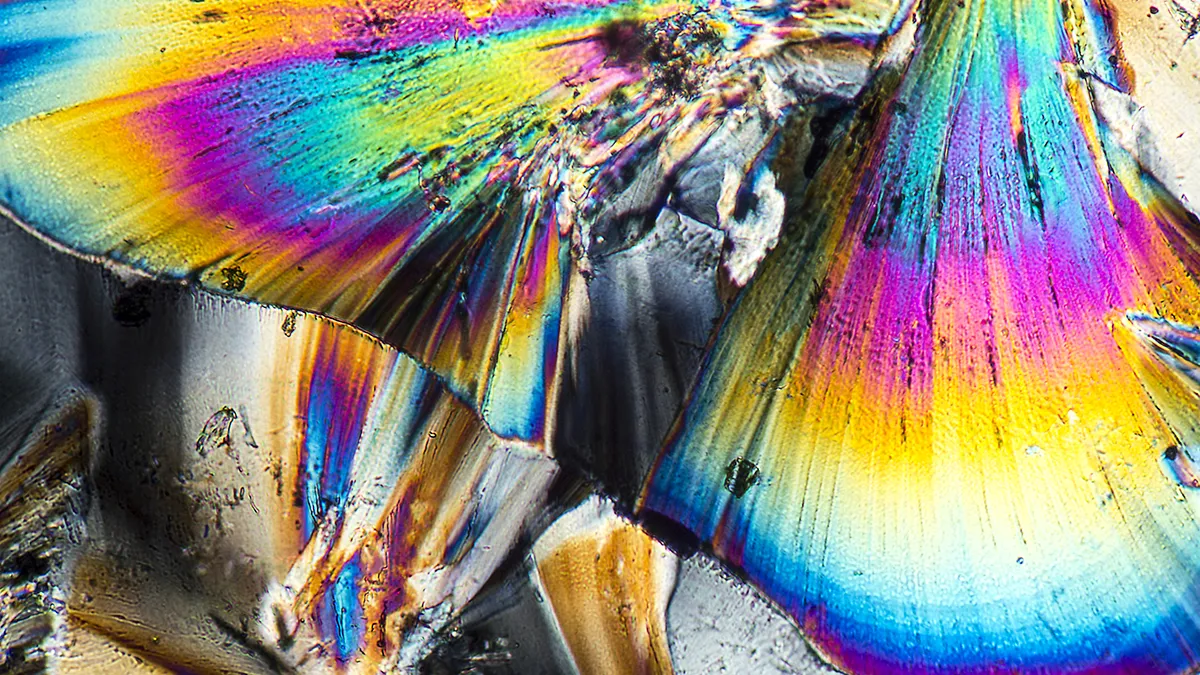
But, for something we need only in traces, zinc is quite active in the body and binds to approximately 2800 human proteins, and it is necessary in:
- Catabolic processes: These are the destructive part of metabolism (sort of an every destruction is a new creation sort of way), meaning processes that break down complex molecules (like proteins, fats, or glycogen we get from our food) into smaller, more manageable pieces that are used for energy or tissue repair.
- Structural functions: Here, zinc organizes the 3D structure of enzymes, stabilizes transcription factors, and maintains the structural soundness of cell membranes and bones, and is crucial for about 10% of proteins in mammals.
- Regulatory functions: Zinc regulates gene expression (crucial for cell differentiation (what a cell will be), proliferation (multiplication), and development) and apoptosis (programmed cell death of overly damaged cells so they can be replaced).
- Immune regulation: Zinc serves as a messenger or "signaling molecule" and regulates immune function, not too much, not too little. It is also antioxidant, anti-inflammatory, and anti-viral.
- Hormone balancing: Zinc helps balance estrogen, serving as a gatekeeper that prevents the overconversion of testosterone into estrogen, particularly in men or in cases of estrogen dominance. It also supports FSH and LH to ensure healthy estrogen peaks in the menstrual cycle.
Ideal zinc intake by age and gender:
- 0–6 months 2,000 mcg
- 7–12 months 3,000 mcg
- 1–3 years 3,000 mcg
- 4–8 years 5,000 mcg
- 9–13 years 8,000 mcg
- Boys (14–18 years) 11,000 mcg
- Girls (14–18 years) 9,000 mcg
- Men (19+ years) 11,000 mcg
- Women (19+ years) 8,000 mcg
- Pregnant women (19+ years): 11,000 mcg
- Breastfeeding (19+ years): 12,000 mcg
Zinc deficiency symptoms and possible causes
Now, zinc deficiency is more common than copper deficiency and can present with subtle signs and symptoms easy to miss, such as:
Reduced sense of smell and taste, like food suddenly does not taste as good as it used to.
You may be a bit overly sensitive to bright lights or have trouble discerning objects at night, even when there should be sufficient light.
You may attribute your proneness to depression or anxiety, to life circumstances, or attribute the reduced attention span to just being tired and overwhelmed. All of this can signal zinc deficiency.
But more serious symptoms and illnesses caused or exacerbated by a zinc deficiency are:
- A weakened immune system (leading from anything from frequent infections to autoimmune disorders)
- Skin disorders (acne, eczema), hair loss, slow wound healing, (explosive) digestive distress, and stunted growth.
- Chronic deficiencies telescoped to years and decades are associated with infertility, hypogonadism, cognitive dysfunction, depression, and severe infections like pneumonia.
Risky groups: Those who do prolonged high-intensity exercise at a pro athlete level (you’ll not deplete zinc as a regular gym bro or sis), long-term vegetarian diets, and long-term use of hypertensive medications.
Having some of these health issues does not automatically mean you’re zinc deficient, but if nothing seems to be working, it may be wise to get checked. The most important conditions linked to a zinc deficiency that we must mention here include:
- Immune: A higher risk of bacterial, viral, and fungal infections. The body remembers, and small infections over the course of our lives will accumulate a bill you’ll pay as you enter your golden years. The damage of an infection is not over once the infection resolves.
- Gastrointestinal: We’re finally beginning to understand the mega importance and interconnectedness of gut health and nutrient absorption. All gut issues, whether inflammatory or structural, may cause malabsorption, depriving your body of the building blocks it needs to feed, repair, and thrive. Crohn’s disease, celiac disease, ulcerative colitis, and short bowel syndrome may all lead to and be worsened by a zinc deficiency.
- Dermatological: Skin is a great canvas that tells us what’s going on in the body, and we should all learn to see and pay attention. A zinc deficiency will present in the skin with severe rashes (acne, eczema), dry skin (xerosis), and very cracked skin, just waiting to let some pathogen through.
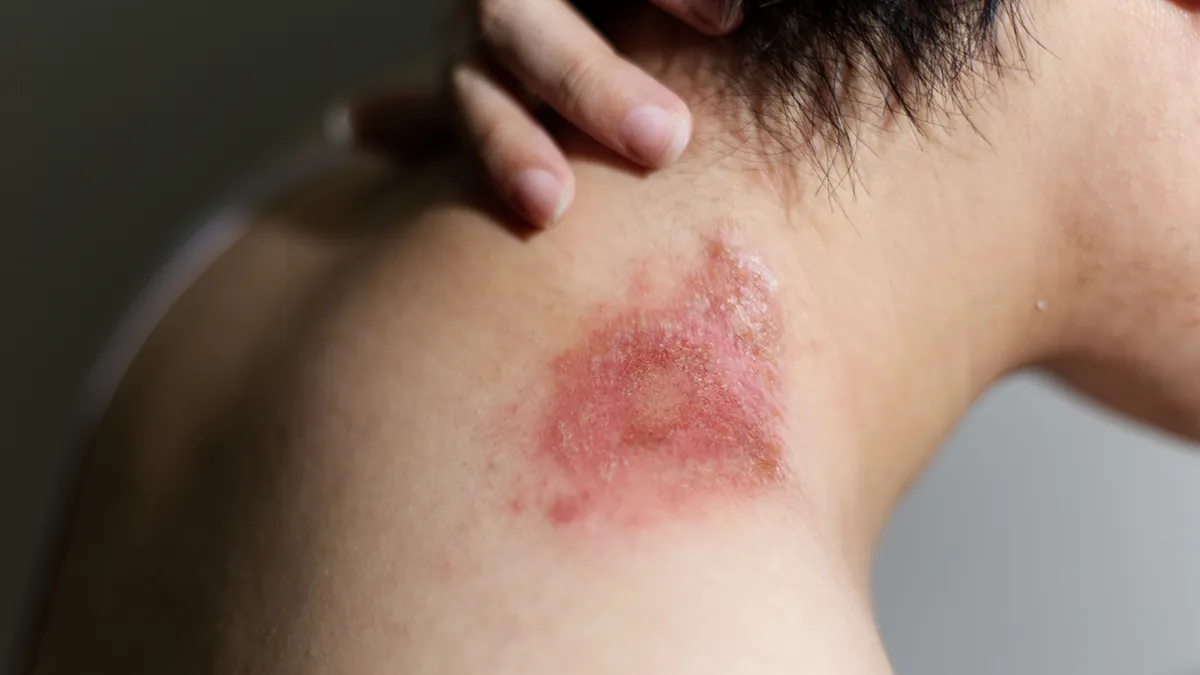
- Hair and Nail: The horrid, horrid symptom of alopecia (just a fancy word for hair loss) and very brittle nails may signal a lack of our structural trace mineral. You may even have enough zinc on a serum or blood test, but it may not be absorbed into tissues where you need it, so consider a gut issue or a more bioavailable zinc supplement (opt for Zinc Bisglycinate or picolinate, citrate, or gluconate, rather than zinc oxide or sulfate).
- Metabolic & Endocrine: Type 2 diabetes is one of the most prevalent diseases of affluent societies, which can be something genetic, caused by a chronic overconsumption of processed carbs, or actually by having severe nutritional deficiencies in the midst of plenty, due to making ultra-processed foods the center of your diet. On the endocrine side of the zinc deficiency, we see hypogonadism, where the testes or ovaries produce almost no hormones, resulting in low testosterone or estrogen levels, infertility, and reproductive system dysfunction.
- Chronic Diseases: Chronic means not acute (a single instance of), but a long-term condition. In zinc deficiency, we see greater prevalence of kidney disease, liver disease, and sickle cell disease.
- Developmental: Focused on zinc deficiencies in children, where its lack can cause stunted growth, delayed development of secondary sexual characteristics, and sexual maturity.
What foods contain zinc
You can, of course, go grab yourself a good zinc supplement, but we'd much rather you use what your momma gave you (this body and its natural mechanisms) and get it from foods. Animal foods will have better bioavailability of zinc, so keep that in mind if you're on a long-term vegan diet.
High zinc foods to stock up on:
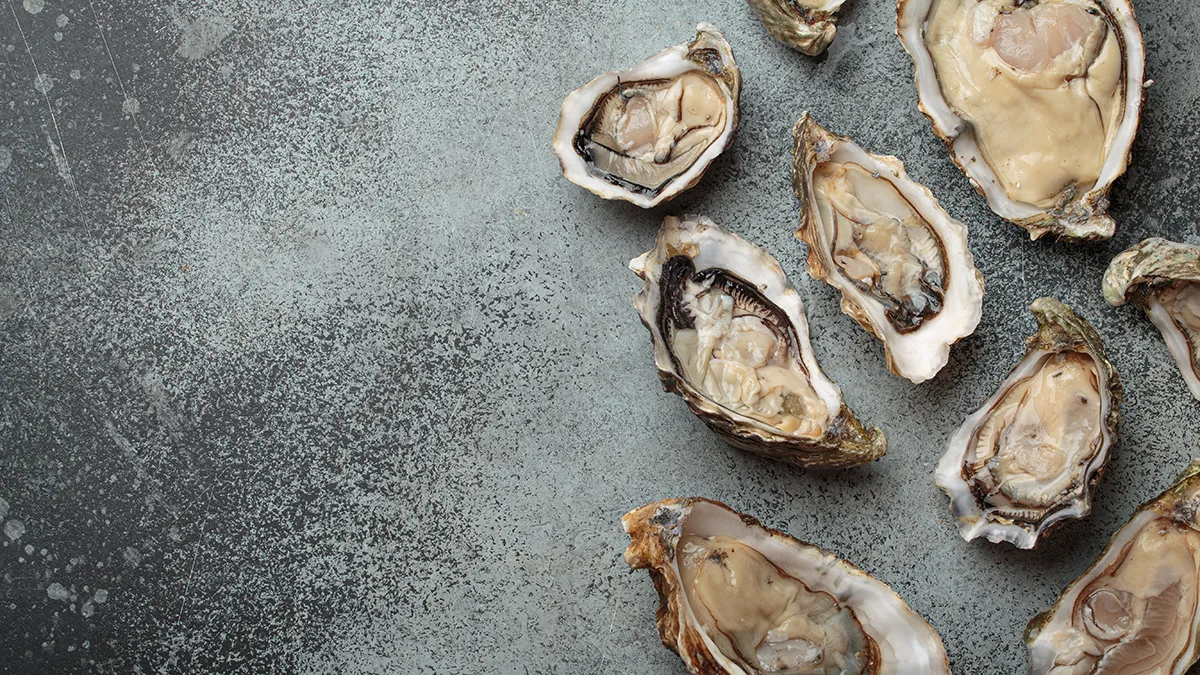
- Shellfish: Oysters are by far the best possible natural source, with 15-33 mg per serving, but you can also get hefty amounts from crab, lobsters, and mussels.
- Meat: Beef, pork, and lamb are good sources.
- Nuts and seeds: Sesame, hemp seeds, and pumpkin seeds (best nut and seed bioavailability)
- Grains and legumes: lentils, chickpeas, oats, and beans
- Eggs and dairy: Yogurt, milk, eggs.
Copper benefits and copper deficiency symptoms
Copper benefits and functions
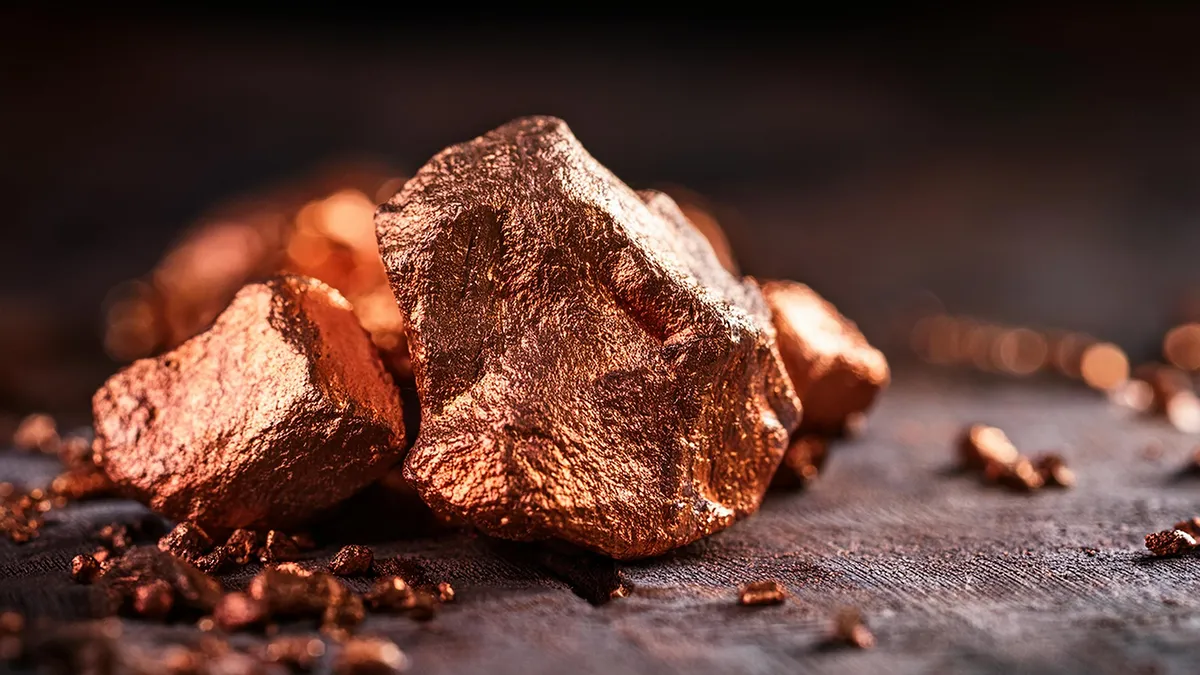
Copper is something we mostly remember only when we stumble upon really cool cookware in a pastoral fantasy designed to annul our corporate lives or when a water pipe bursts, but copper is an essential trace mineral you can get from food or a copper supplement.
What is copper used for in the body? You need it to produce energy, absorb iron, and form red blood cells. It also maintains connective tissue that (literally) keeps you together, keeps the brain functioning properly, and the immune system ready to respond to attacks. Oh yes, and you need it to help build collagen to keep your skin and bones healthy, it acts as an antioxidant, and can support cardiovascular health. Damn, that's a lot from a metal we appreciated only in our Moscow Mule mugs.
- Energy Production & Metabolism: Copper helps cells make energy that we need to stay alive and supports the metabolism of iron, which we need to carry oxygen to cells. It also helps the body create red blood cells and transport oxygen. Red blood cells and cells that make the lens of our eye are the only ones that don't have mitochondria. In red blood cells, mitochondria would steal the iron-dependent oxygen delivery and burn it for their own energy, defeating the purpose of transport. A cell's version of "don't get high on your own supply".
- Connective Tissue and Bones: Collagen is a structural protein you have the most, making up about 30% of the total mass of protein, and it's keeping you together rather than melting down like the wicked witch of the west. Copper is crucial for forming collagen, maintaining tissue strength, and supporting bone density, all of which become increasingly important as we age.
- Immune System: Some blood cells are carriers, such as red blood cells, which carry oxygen. But there are also cells there to serve and protect, and copper is their doughnuts. It is necessary to produce the protective white blood cells, such as neutrophils and macrophages, which protect the body against all sorts of pathogens and infections, and can even be used to target cancer cells.
- Cardiovascular: Nothing else will matter if our heart is not working, so we may as well focus on what keeps our heart and blood vessels strong and healthy, which will spill over into all areas of vitality. Copper helps maintain healthy blood vessels and manage blood pressure (the silent killer). Research indicates that higher dietary copper intake is associated with better heart health and reduced cardiovascular disease risk.
- Brain and Nervous System: The brain contains about 9% of the body's copper. It is necessary in the final step of energy production (ATP), and the brain needs disproportionately more energy than its size would suggest. It’s involved in synthesizing neurotransmitters, converting dopamine into norepinephrine (arousal, attention, circadian rhythm). It also helps form myelin sheets around axons (like insulation protecting sensitive neurons) to enable nerve impulse transmission and helps protect the brain from free radicals.
- Skin and Hair: Copper plays a role in the production of melanin, the pigment responsible for skin, hair, and eye color, so if people are going intensely gray in their 20’s, this could be a consideration.
- Antioxidant: Copper is central to producing superoxide dismutase. This is an antioxidant that protects cells from free radical damage that leads to compromised and damaged cells. Free radicals are rogue molecules that steal electrons from stable molecules to balance themselves, damaging the once-stable molecules. Antioxidants have an extra electron to donate to the free radical, therefore effectively neutralizing it.
Ideal copper levels by age and sex:
- Birth to 6 months 200 mcg
- 7–12 months 220 mcg
- 1–3 years 340 mcg
- 4–8 years 440 mcg
- 9–13 years 700 mcg
- 14–18 years 890 mcg
- 19+ years 900 mcg
- Pregnant 1,000 mcg
- Breastfeeding 1,300 mcg
Copper deficiency symptoms
- Tired, always sick, short of breath: Low copper hematological problems might present as anemia or low white blood cell count, called neutropenia, that leads to increased infection risk. If you're feeling dead tired earlier than you’d expect in a day, without it being preceded by something extremely strenuous, and if you get winded easily even with low- to moderate-intensity movement, this might be a copper deficiency. You can actually have enough iron in the blood, but it will make no difference if it cannot get into cells and deliver oxygen.
- Poor coordination, tripping (not in a good way), general weakness: Copper deficiency may lead to some neurological issues related to nerves, like numbness and tingling in the fingers and toes or extremities, sudden loss of coordination in daily activities, trouble walking, and weak hand-eye coordination. All of this will most likely result from improper myelination of nerve axons.
- Poor memory, irritability, and confusion: Not all cognitive decline is related to age or disease onset. Sometimes, it's as simple as giving your body more foods rich in copper or getting yourself a copper supplement, a multivitamin, mineral, or eating more fat (yes, more; some cholesterol is absolutely necessary, think about this if you've been religiously non-fat for a while). Chronically low copper may result in a cognitive decline, and a disturbed zinc-copper ratio has been linked to Alzheimer’s and dementia. Copper is involved in glutamatergic processes, which are excitatory in the brain. Basically, low copper means your brain is just not lighting up, like it's a bit flat (an insult to a ridged surface) and uninterested.
- Functionally hypothyroid and cold: If you know (or are) those people who are just constantly cold, cold hands and feet, wearing hoodies when others are comfy in T-shirts, and you feel sort of sluggish, like your metabolism is crawling, we'd usually think hypothyroid. But we can become what is called functionally hypothyroid due to a lack of copper, while most tests check for iodine, selenium, and zinc for the thyroid, rather than the zinc-to-copper ratio.
- Pale skin and early and rapid hair graying: Coper is required by the rate-limiting enzyme in melanin production called tyrosine, so you'll get people who are graying way too early or suddenly, and you'll see a constant pallor (linked to the lack of oxygen delivery to cells). If you were zinc deficient, you'd see more of a more red and flushed undertone all the time.
- Brittle bones: This becomes increasingly dangerous as we get older and lose muscle mass (osteopenia). Getting fragile and having osteoporosis is a bad deal that will make the autumn of our lives much less enjoyable. So if you were never getting fractures and suddenly had two in a year, especially if balance issues are involved, consider increasing your copper intake or checking your gut health if you’re eating well to see if you may have some underlying absorption issues.
Foods high in copper
Just like zinc, you can also go for a copper supplement here, particularly one that is very deliberate about the copper-to-zinc ratio, or you can go the natural route, using copper cookware (Moscow mule cocktails don’t really count as cooking) or munching more on copper-rich foods, such as:
- Organ Meats: We mostly eat just muscle and fat today, rarely making bone broths, and using organ meats, which were a normal part of the diet, even less. Beef liver is the densest of the high-copper foods, providing 12,400 mcg per 3-ounce serving, over 1,300% of the DV.
- Shellfish: Oysters are also very high, with cooked Eastern oysters containing about 4,800 mcg per 3 ounces (500% DV). If you’re not into oysters, crab and lobster have a bit less, but are still a great source of the mineral.
- Nuts and Seeds: For those who are plant-based and don’t get copper from animal sources, great options are cashews (629 mcg per ounce), sunflower seeds, and sesame seeds.
- Dark Chocolate: There is a divine intelligence after all, and a thing that makes me believe in a benevolent deity. A 1-ounce square of dark chocolate (70–85% cacao) provides about 501 mcg (56% DV) of copper.
- Mushrooms: Another great source for plant-based. Shiitake mushrooms, especially when cooked, provide about 650 mcg per half-cup. So shroom up your meals.
These also add up:
- Legumes: Chickpeas, lentils, tofu, and soybeans.
- Vegetables: Potatoes with skin, sweet potatoes, and leafy greens.
- Grains: Whole wheat pasta, quinoa, millet, and buckwheat.
- Fruits: Avocados, dried figs, and guavas
The right zinc to copper ratio
If you’ve been following along, you already know that the right zinc-copper ratio is far more important than the concentration of any individual trace element, as they compete for absorption in the body. Blindly taking high-dose zinc (whether on your own or by professional recommendation) without considering copper can backfire and lead to copper deficiency, while overdoing it with copper (which is less common) can lead to copper toxicity, and in extremes damage the liver and kidneys. This can happen with extreme doses of copper supplements, regularly drinking acidic beverages from copper containers, working with copper all day long, or due to a genetic condition, like Wilson's Disease, but copper toxicity is rare, so you shouldn’t worry too much.
The zinc-copper ratio checked from the blood and serum should ideally be in these intervals:
- Serum copper 70-110 mgc/dl
- Plasma zinc: 90-135 mgc/dl
This means we should aim for a 0.7:1 ratio of copper to zinc. But testing blood and serum is only part of the story; it doesn't show us how much copper or zinc actually ended up in the tissues. If we’d like to check how much got absorbed into tissues, we can do a hair strand analysis, where you’d ideally see an 8:1 – 10:1 zinc to copper ratio, and this is what you’d look for in a zinc and copper supplement or an all-in-one multivitamin and multi-mineral supplement. How much copper to take with zinc? For every 15 mg of zinc, include about 1.5 mg of copper.
So if you’ve been circling around, can you take zinc and copper together? Yes, but be mindful of these ratios, or look for supplements that already provide both in complementary amounts that compensate for the absorption competition, rather than guessing. If you’re going to be taking these separately, space them out and consult a nutritionist or a doctor.
Remember, if your problem is a gut issue that’s preventing proper absorption, you may not need more of the thing you can’t absorb anyway, but may need to go on a gut protocol to heal, which may automatically address any zinc or copper deficiency.
Supplement Recommendation
We considered suggesting a purely zinc-and-copper supplement here, but realized this may not be the best course. I mean, what are the chances that your zinc to copper ratio is off, and that everything else is on spot? Basically zero. So, we've decided to find an all-in-one supplement that has exactly the right amounts of our trace heavy metals and a whole lot of other nutrients our bodies need daily.
No shade on anyone, we're busy, days are long, logistics of life are brutal, and we often grab a bite on the go as an easy way out. We may also be walking around with an undiagnosed gut issue hindering absorption or reverting to convenience meals. May he who has not microwaved a barely-food-product or scavenged the fridge for days-old leftovers throw the first candy bar. If you drop the ball for a few days or binge a bit over the holidays, it's fine. No harm done. This is not enough time to get any serious deficiencies or problems, but if we're chronically eating poorly or using GLP-1s for a while, you're lacking key nutrients, vitamins, and minerals, it's time to take better care of our bodies. Look at food and supplementation as providing the building blocks for a strong, vital, adaptable, and resilient body. It’s not just random compounds but bioactive substances that will literally build and govern our bodies.
So, after reviewing some options, our all-in-one supplement suggestion landed on the FAQ™ Pure supergreens supplement from the innovative FAQ™ Swiss brand, which is usually focused on high-tech anti-aging devices and is applying engineering skills to supplements for the first time.

The criteria included ingredient purity and sourcing, the significance of ingredient ratios, clinical evidence, ease of use, user testing, and finding something that will make your life easier rather than adding another layer of complexity and trapeze artistry to your wellness and longevity trail. We didn’t want you to feel like being healthy and balanced was another full-time job. That's why FAQ™ Pure. It's a super greens powder that was meticulously formulated over 5 years. You just put it in some water, mix it, and bottoms up. There is nothing fancy about it at all (except the ingredients list).
What is FAQ™ Pure?
It features 85 perfectly calibrated high-quality active ingredients, including clinically-proven NAD+, CoQ10, Quercetin, Creatine, Magnesium, Enzymes, and Super Mushrooms, and a whole lot of vitamins, minerals, antioxidants, probiotics, enzymes, botanicals, and adaptogens - all in dosages you can actually benefit from. And, all components were created not to compete, but to complement. FAQ™ Pure beauty-tech elixir was designed to support:
✔ Digestion and gut health
✔ Immune health
✔ Cellular protection
✔ Energy levels
✔ Metabolism
✔ Healthy brain function
✔ Joint health & muscle function
✔ Hormonal regulation
✔ Blood sugar levels
✔ Bone health
✔ Eye health
✔ Heart health
✔ Healthy blood formation
✔ Healthy skin, hair, nails

Results: What do people say about FAQ™ Pure?
Based on an ongoing study of this new and exclusive formula, the preliminary results show that people feel improvements in:
LESS CRAVINGS
71% of participants experienced less sugar cravings in just 2 weeks.
LESS BLOATING
87% of participants noticed less bloating and improved digestion within 2 weeks.
ENERGY
In just 2 weeks, 93% of participants felt more energized and less tired throughout the day.<
FOCUS
83% of participants experienced reduced brain fog and improved focus and mental clarity in just 3 weeks.
BETTER SLEEP
72% of participants experienced better sleep in 3 weeks.
MUSCLE RECOVERY
70% of participants noticed faster post-workout muscle recovery in just 2 weeks.
LESS STRESS
72% of participants reported a better mood and feeling less stressed in just 4 weeks.
If you were on the hunt for a supplement with a perfect zinc-to-copper ratio (FAQ™ Pure has an optimized 10:1 zinc-to-copper ratio, offering 14 mg zinc and 1.4 mg copper in each scoop or sachet) with some extra bang in all areas of beauty and longevity, this is the one. You can read more on the specific compounds in Dr. Raj's in-depth analysis here.
People Also Ask
What are the benefits of taking zinc and copper?
They support immunity, brain function, cardiovascular health, and proper blood cell formation—especially when taken in the right ratio.
Why can't you take zinc and copper together?
You can, but high doses of one can block absorption of the other. Space it out.
Does zinc help your prostate?
Yes - zinc plays a role in prostate health via hormone regulation.
Can zinc deficiency cause pancytopenia?
In severe cases, yes. Zinc is essential for bone marrow and blood cell production.
Conclusion
In the end, understanding the relationship between copper and zinc is about respecting a fundamental biological balance that supports whole-body health. We want to look at the body holistically as more than a sum of its parts. Nutrients rarely act alone, and we’ve learned that the zinc-to-copper ratio plays a huge role in everything from the immune system, fertility, bone health, nervous system, and mental health.
Whether you’re addressing zinc deficiency or early signs of copper deficiency, looking at the broader picture - absorption, lifestyle, and diet - matters just as much as intake of these trace metals, especially in conditions that compromise the bowel and absorption like celiac disease. Choosing the right zinc and copper supplement for you, an all-in-one like FAQ™ Pure with the proper dosage, or adding more foods rich in copper and zinc to our plates, helps restore balance.
Ultimately, zinc and copper benefits are fully realized only when they are in harmony, not in competition. So instead of guessing or overloading on a single nutrient, get your levels checked in blood and hair, and if you notice deficiencies, think in terms of balance, bioavailability, and long-term resilience, not quick fixes. The goal isn’t more - it’s smarter, more intentional nourishment and building a body that will stand the test of time and environmental challenges. The goal is a happy and healthy you. I hope we’ve offered you some valuable information here today and that you’ll keep exploring. Stay cool, curious, and gorgeous, and see you in the next deep dive.






Leave a comment