22 min read
Gut Health and Symptoms of Nutritional Deficiencies

For nutrients, the gut is the place to be; the gut microbiome is what makes it all happen. Vitamins, minerals, and all other micronutrients are not just something that would be nice to have if you’re trying to biohack your way to eternal youth, living to be 300, looking younger than your children, or whatever it is that biohackers do. Nutrients and nutrient interactions are as essential as air. Sure, being deficient in a key nutrient won’t kill you in 3 minutes as the lack of oxygen will, but it will be excruciating. In extreme nutrient deficiency, you may look forward to organ failure, severe anemia, or cardiac issues – something that scurvy-afflicted, haven't-seen-a-lemon-in years, Vitamin-C-deficient sailors would have told you as they were hemorrhaging internally somewhere on a nameless, shoreless sea.
A bit dramatic, overly depressing, and gory for the intro, but true. It is necessary for you to understand that a little misbalance may cause some problems (of which most can be fixed without too much trouble or philosophy), but a chronic and extreme essential nutrient deficiency symptoms are not pretty and will come about by extreme lack of the nutrient in question or deficiency amongst abundance - where you just can’t absorb what you need, mostly due to gut issues leading to malabsorption syndrome. The majority of the modern world is mildly to moderately deficient in some crucial nutrients due to the changes in our environment, lifestyle, side effects like medication like GLP-1s, and the way we grow and see our food, far more as a product than produce.
How to improve gut health was once an issue only when a person got some GI distress (as a centerpiece on its own or a sidepiece of some other disease) and was left with a decimated flora. Today, we know more and therefore have a moral obligation (once seen it can never be unseen logic) to do better. We know that most of our immunity is produced, resides in, and is dispatched from and by the gut microbiome. We know that gut health is the foremost barrier to the organism and that all nutrients are broken down and absorbed in the deep, dark recesses of our ancient and personal biomes. We need these building blocks to be available because, while keeping this meaty masterpiece of engineering running smoothly, you’re propelling yourself around, and keeping you vital and happy is an around-the-clock job. The job requires significant resources, and most of the time, the body is quite efficient at extracting them.

So you’re going to build a house. A good, steady, structurally sound, one that is cozy, safe, and long-lasting, but you have no bricks, no wood, and no mortar. How will you build this house? Sure, you might find substitutes for some materials, revert to emergency roofing like straw, or build mud or plastic walls, and it may even look ok and be (sort of) livable, but it will be fragile, semi-functional, or need frequent repairs. What if you have no more straw and no more mud to fix the destroyed roof or a crumbling wall? You’ll use whatever is lying around to create your slum-style villa. This is a banal example of the need for proper building blocks to build things as they are supposed to function. A lack of materials will be a problem; you may be able to get by with some substitutions, but not for long. A house is an inert material thing. Now imagine if every brick and tile in that house were integral to the whole home and could talk to all the other bricks and tiles. A biological intelligence and interplay of all parts of the edifice. Now that is the body, infinitely more complex than a house, but housing all we are for (ideally) close to a century.
This is why we are here today: to talk about how to know you have nutrient deficiencies, what the symptoms of specific deficiencies (like the very common vitamin D deficiency, iron deficiency, vitamin B6 deficiency, vitamin A and C deficiency, and many more) are, how to improve gut health and the gut microbiome. We’ll recommend some beauty and gut health supplements (which are basically the same) that could really help get you back into shape, if your guttural instincts are telling you something is off - be it fatigue that doesn’t go away, skin that won’t cooperate, a mind that feels just slightly… foggy.
We’ll try to cover a lot today. Feel free to skip to parts that resonate with your situation. So let’s go.
The Gut Microbiome
Modern affluent societies will give you an abundance of calories you can munch, crunch, and slurp on every waking minute, but not necessarily the nutritional density you’d expect from a rich food environment. Too often we consider our GI tract just as a passive tube from the mouth to where the sun don’t shine, and that is wrong. The digestive tract, all of it, is alive, with microbes, enzymes, fungi, and bacteria that are not just extras, but active participants in digestion. They are symbiotic organisms that give us health in exchange for food. Keep in mind that up to 3% of your weight is not you. It’s the microorganisms that call you home, a gazillion tenants keeping you healthy, and some rowdy crowds challenging the status Q.
Far more than a tube, the gut is a control center for absorption, immunity, and even mood as the gut-brain axis works both ways - the brain influencing the gut (that’s why you can get stress digestive distress) and vice versa, where gut byproducts can control neurotransmitters. The gut is muscular and multilayered (the mucosa, submucosa, muscular layer, and serosa). Specialized cells break down food to its tiniest components to be absorbed via villi, and they can move waste through muscle contractions called peristalsis (that’s how you poop).
You can be eating all the “right” things, but if your gut microbiome is damaged or unbalanced, nutrients simply don’t get where they need to go. Getting in more of the good thing won’t make a difference until you fix the dysbiosis first, so any anti-aging or beauty supplement worth its salt (a great electrolyte BTW) should also feed the good gut bacteria and avoid sugars and sweeteners the bad populations thrive on. No use in bombing your gut with an extra dose of a vitamin or a mineral in a sweet sugar-packed pill or powder (so be suspicious, with your judgy eyebrows raised up high, of overly pleasant-tasting supplements; if it’s too sweet, something is fishy… unless it’s Omega 3, this one is supposed to be fishy).
We all sometimes feel off, and it’s just called being alive, with people to see and places to be. Yet, if you keep seeing a certain problem persist like feeling extremely tired even after a full night of quality sleep, if your nails keep breaking and your hair is thinning although you’re sure you’re getting enough B vitamins, if you’ve got some major brain fog and are too young to be forgetting the names of daily objects or why you came into the room you’re in, you may be living with a nutrient deficiency and may need a vitamin deficiency test or even more comprehensive, advanced panels and blood tests for vitamins and minerals deficiencies which could run more than 700 dollars. If you’re not into pricking and paying, you can always work on your gut first and see if you feel better. As the gut heals, so will the nutrient absorption.
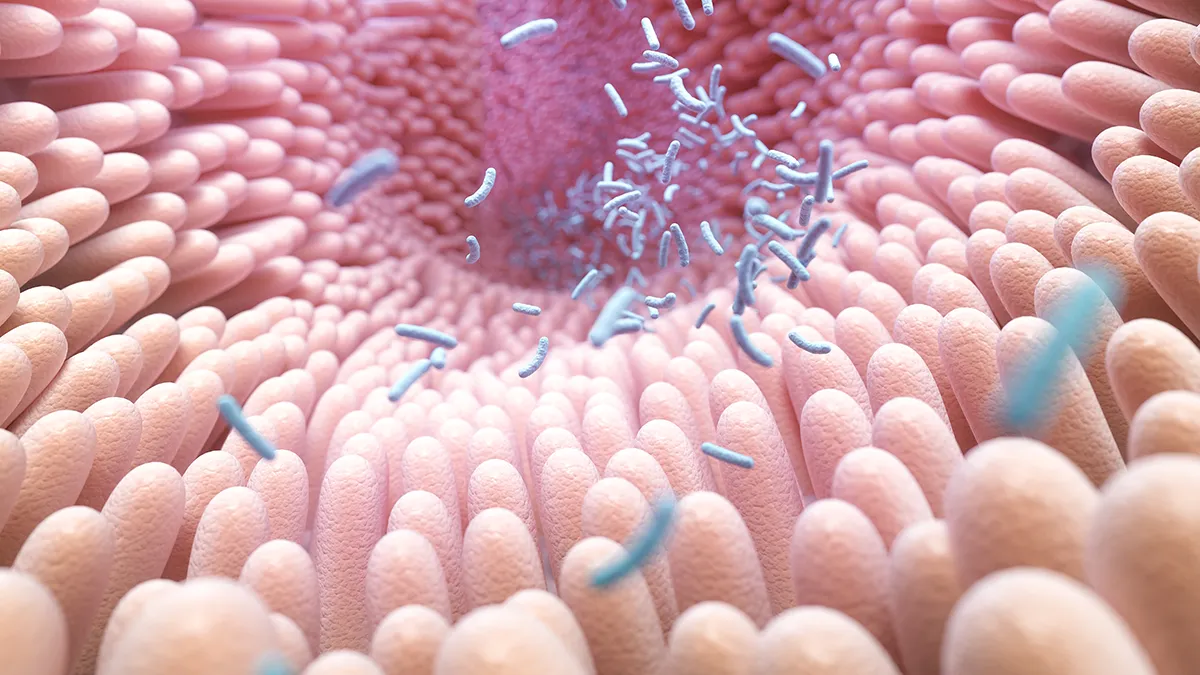
Some triggers for gut problems include consistently high-fat/sugar diets and chronic inflammation (usually a normal part of the immune response if it arises and subsides as needed), both of which reduce beneficial bacteria. This is why people with conditions like celiac disease or Crohn’s, or inflammatory bowel disease (IBD) often experience persistent vitamin deficiencies, no matter how balanced their diet appears to us mere mortals who still indulge in fried sugar-filled sweets from time to time. Nothing works if the gut doesn’t. If gut health is compromised, you can expect:
- Nutrient Lack: Poor gut health, weak stomach acid (this is the cause of reflux rather than having an acid that is too strong; weak acid doesn’t send the signal for the stomach top to close and continue digestion, so it splashes into the esophagus), and pancreatic dysfunction all hinder the body's ability to absorb nutrients. This is how you get deficiencies.
- Dysbiosis: Gut bacteria is always a mixture of organisms that do us favors and those that do us harm, endlessly competing with each other in the battlefield of mucosal layers. They are very adaptable, turn over quickly, and can experience a plot twist of imbalance (dysbiosis) very fast (good news is that, in most cases, we can also fix it by fixing our habits). Dysbiosis disrupts nutrient absorption and can trigger deficiencies, especially in vitamins such as A, B12, and D, as well as mineral deficiencies.
- Vitamin Production Malfunction: The gut microbiome is more than just a breakdown and absorption machine. It also produces things we need, synthesizing, for example, certain vitamins, particularly B vitamins.
- Malnutrition Loop: Sometimes things echo or get stuck in loops, and malnutrition is one of those. You’ll be fine with a short period of poor nutrition, but a longer deficiency of key nutrients, vitamins, and minerals will become a self-amplifying loop. Malnutrition (which is what it is if you can’t absorb nutrients) reduces the diversity of the gut microbiota, which further weakens the gut barrier and immune responses, and round and round we go.
If you do blood tests for vitamins and minerals deficiencies and realize you’re short on some, despite eating well, these most common nutritional deficiencies linked to gut issues may be a good pointer to have things checked out:
- Vitamin B12 deficiency: Fatigue, memory issues, and neurological symptoms.
- Vitamin D deficiency: Weakened immunity, muscle/bone pain, and inflammation.
- Iron deficiency: Fatigue, hair loss, pale skin, and dizziness.
- Vitamin K & A deficiency: Poor night vision (A), increased bleeding (K).
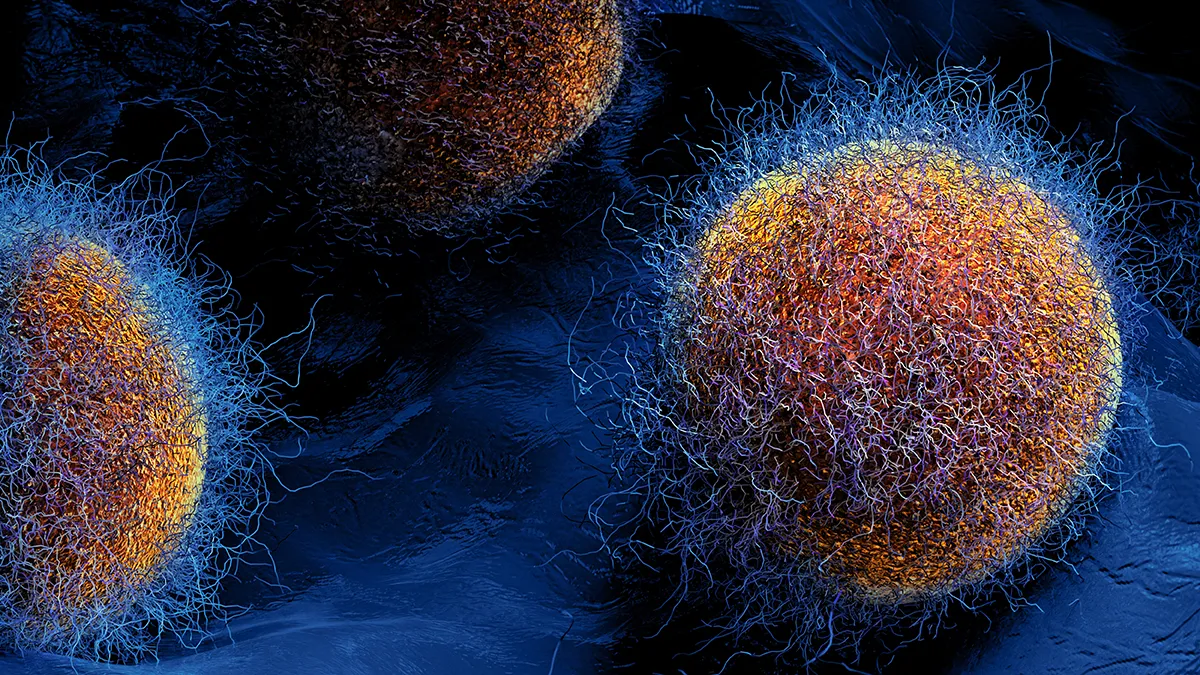
What else can lead to nutritional deficiencies?
In addition to digestive system issues, low stomach acid or digestive enzymes, the reason for poor nutrient absorption may be in dietary factors such as anti-nutrients in the foods we commonly regard as healthy, but you personally may have some sensitivities to. So no, there is no one superfood that fits all. I may enjoy a ton of paprika, but you may feel lousy afterward. You may put avocado on everything, and I never want to live through my avocado nightmare day again. Or it could simply be some bad lifestyle decisions.
Dietary Factors & Anti-Nutrients:
- Oxalates: Found in spinach, chard, and chocolate, which bind to calcium and reduce its absorption.
- Phytates: Found in whole grains and legumes, inhibiting iron and zinc absorption.
- Lectins: Found in legumes and grains, which can interfere with mineral absorption.
- Low-fat diet: Prevents the absorption of fat-soluble vitamins (A, D, E, and K).
- Food Combinations: Consuming high-tannin drinks like tea or coffee with meals can inhibit iron absorption.
Lifestyle & Health Factors:
- Chronic Alcohol Consumption & Smoking: Damages the intestinal lining and reduces overall nutrient absorption.
- Chronic Stress & Poor Diet: A high-sugar or inflammatory diet can damage gut and skin health and organs, and continuous stress keeps you in emergency mode, prioritizing survival rather than rest and repair (including gut repairs), and chronically elevated stress hormone cortisol will raise your blood sugar, to keep you ready to run away from danger more efficiently.
- Medications: Proton pump inhibitors (PPIs) for acid reflux, antacids, and laxatives can hinder nutrient absorption, either by reducing gastric acid efficacy or by moving food through the bowel too quickly for proper absorption.
Food can also be a powerful medicine, helping you heal your gut and improve nutrient absorption as quickly as a few days (most of your poop in a day is dead bacteria, and you can change your gut flora really fast with intentional food choices). Ideally, you’d:
- Consume Prebiotics/Fiber: Prebiotics do nothing by themselves, but they are the food for probiotics. Some fiber is indigestible to humans, and its sole purpose is to feed the living communities inside you. Eat whole grains, vegetables, and legumes to support microbial diversity and to fortify the good guys against pathogenic coups.
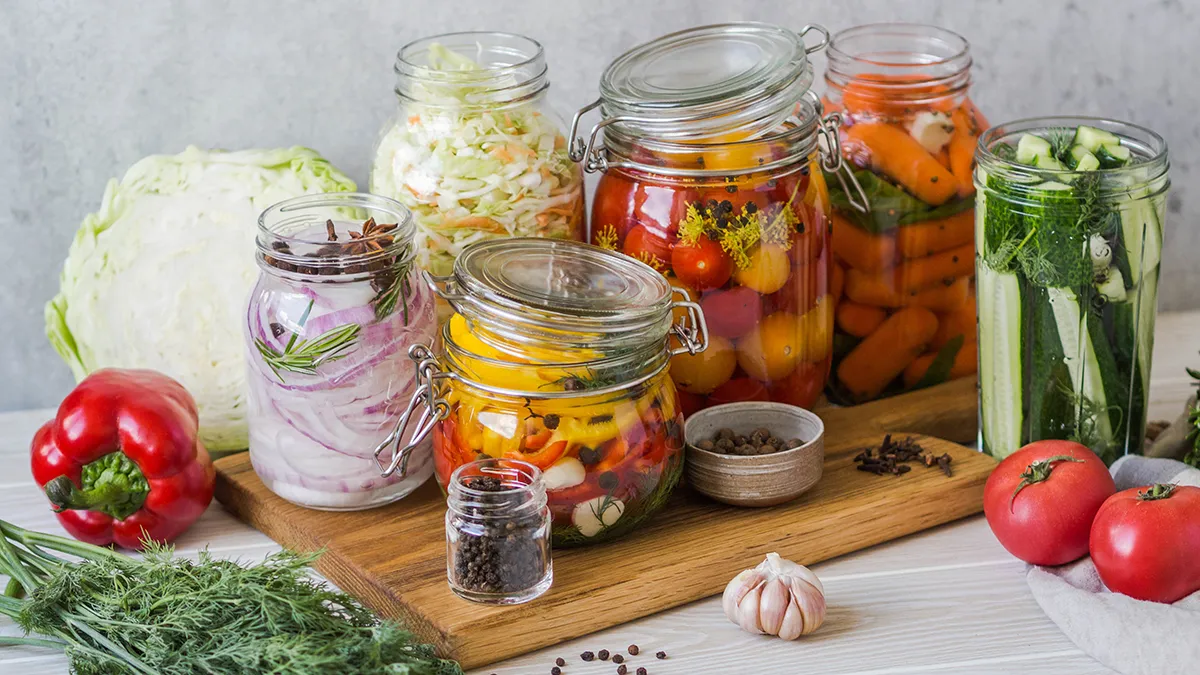
- Include Probiotics: Probiotics are microbial cultures that are beneficial to our bodies and which eat the prebiotics. Focus on yogurt, kefir, sauerkraut, kimchi, and kombucha (very tasty, sort of beer-ish-tasting fermented tea) to add beneficial bacteria on a daily basis.
- Manage Diet: We can make this far less complicated. Eat things whole and as they look in nature or lightly processed (cutting, baking, or steaming is also processing). An easy rule is – if it has no barcode, it is the best. If it has a barcode, it has an ingredients list. Read the list. If you can’t pronounce the first ingredients on there, it’s probably not food, but a food-resembling product. Put it back onto the shelf. Reduce high-(bad)fat, salty, deep-fried, and super-processed foods with tons of added sugars and alcohol. Plus, don’t drink your fruit (or sugar), eat it whole.
- Check for Infections: A lot of us walk around with chronic infections that lead to malabsorption. The infection may or may not be in the gut, but be mindful of this, especially after binge eating around holidays or when you’ve been eating poorly for a while (I know, we all get busy and are doing the best we can, dipping bread in anything runnier than bread as dinner). Whatever is happening in the body, fixing the gut should be a priority.
How to know if you have malabsorption or nutrient deficiency, and when you should pay attention. The body is not overly dramatic for no reason. Quite the contrary, it would prefer smooth sailing and biochemically uneventful days. So when you get a warning, it is trying to tell you something. It is talking, and symptoms are its only language. Keep an eye out for:
- Chronic diarrhea or fatty stools (steatorrhea). Once in a while is nothing to worry about. You may have just had a bad prawn or overdone it at that party yesterday, but recurring indigestion is something to pay attention to.
- Abdominal bloating and gas. One of the most common symptoms of IBS or SIBO, not to be dismissed if it continuously repeats after most meals.
- Weight loss or malnutrition, although you’re taking in enough calories. This means they’re not going in for some reason. It may be a gut issue, or a problem with glucose secretion, or something completely unrelated. Any unplanned sudden weight loss (no matter how welcome, says she, squishing her love handles) should be discussed with your doctor.
- Fatigue and anemia. Fatigue that doesn’t subside even after a full night of quality sleep, feeling drained and exhausted for no reason. Just working and sleeping, and no motivation to enjoy any other aspect of life. It’s very possible you’re not absorbing iron properly or are lacking iron in your nutrition and therefore have nothing to carry the oxygen necessary for energy production (and life) to cells. Check your iron.
Mineral and Vitamin Deficiency Symptoms
Sleep-resistant fatigue
We’ve all been there at some point and have probably helped ourselves intuitively. The body sort of tells you what is missing by making you crave and enjoy foods that contain the missing puzzle piece more (except sugar cravings, these are due to sugar addiction; you’re not sugar-deficient, ever; the body can make sugar from fat, and it is called gluconeogenesis).

One of the most asked questions in our fast-paced lives today is what vitamin deficiency causes fatigue. Normal fatigue is just from living and doing things all day long, and if you feel refreshed after a good night's sleep, there is nothing wrong. It is as it should be. But if sleep has no effect and you feel as if you’re waking up just as tired as when you went to bed, there may be deeper metabolic and cellular issues, and it is also one of the most common vitamin deficiency symptoms, and not just one, but a few probable suspects:
- Iron deficiency or even iron deficiency anemia (low oxygen transport → low energy)
- Vitamin D deficiency (low mood, low energy, weakened immunity)
- B vitamin deficiency, especially vitamin B6 or B12 deficiency
- Low cellular energy support (CoQ10, NAD+).
Feeling Cold and Generally Weak
That persistent chill, feeling cold in a hoodie in a room where everyone else is comfortably wearing T-shirts, cold hands and feet that would give Mr. Freeze a run for his money, day and night. What vitamin deficiency causes you to feel cold? Most likely these are iron deficiency symptoms or anemia, but if you have an accompanying feeling of muscle weakness or heaviness (like it would take too much energy to move them), you might be googling around what deficiency causes weakness in legs, and your best bets are:
- Iron deficiency
- Magnesium imbalance
- Low B vitamins
Brain Fog, Low Mood, and That “Not Quite Yourself” Feeling
We all get tired, exhausted, and overwhelmed. No one is at 100% every day, not even the million-dropping biohackers. We ebb and flow with the rhythms of life and seasons. Low mood in the darker part of the year is nothing unusual, brain fog after a huge pasta meal or a sweets binge is to be expected, but what if there is no clear cause? When your mind simply feels slower than usual, sluggish, and like your head is filled with sticky cotton candy. What if you were just fine and suddenly your mood dips without a reason, or you slide into an unexplained depression, seemingly unconnected to any external factors, internal conflicts, or losses? This is a sign that the gut-brain axis may be compromised.
Chances are you may have vitamin D deficiency symptoms quietly overlapping with B vitamin deficiency and gut imbalance.
- Low Vitamin D3
- Vitamin B6 deficiency (watch for subtle B6 deficiency symptoms like irritability or low mood)
- Gut imbalance affecting neurotransmitters. Gut microbes manufacture over 90% of our serotonin and large amounts of dopamine and GABA. This means that an unbalanced gut directly influences mood, anxiety, and stress response.
And yes, questions like " Can vitamin B12 deficiency be a sign of cancer?” do come up, but no need to worry unnecessarily. It’s most certainly tied to absorption issues, diet, or gut health.
Digestive Issues, Bloating, and Poor Absorption
Digestive discomfort is often normalized in the modern world, but it’s not normal. You’re supposed to eat something when you’re hungry and just go about your day, feeling full and comfortable. You’re not supposed to be avoiding parties, family dinners, lunch at work, or going out to eat because you know that soon after you’ll look pregnant, feel that ominous gargling, or have to run to an emergency number 2. All of these signals that there is something off with the digestive tract.
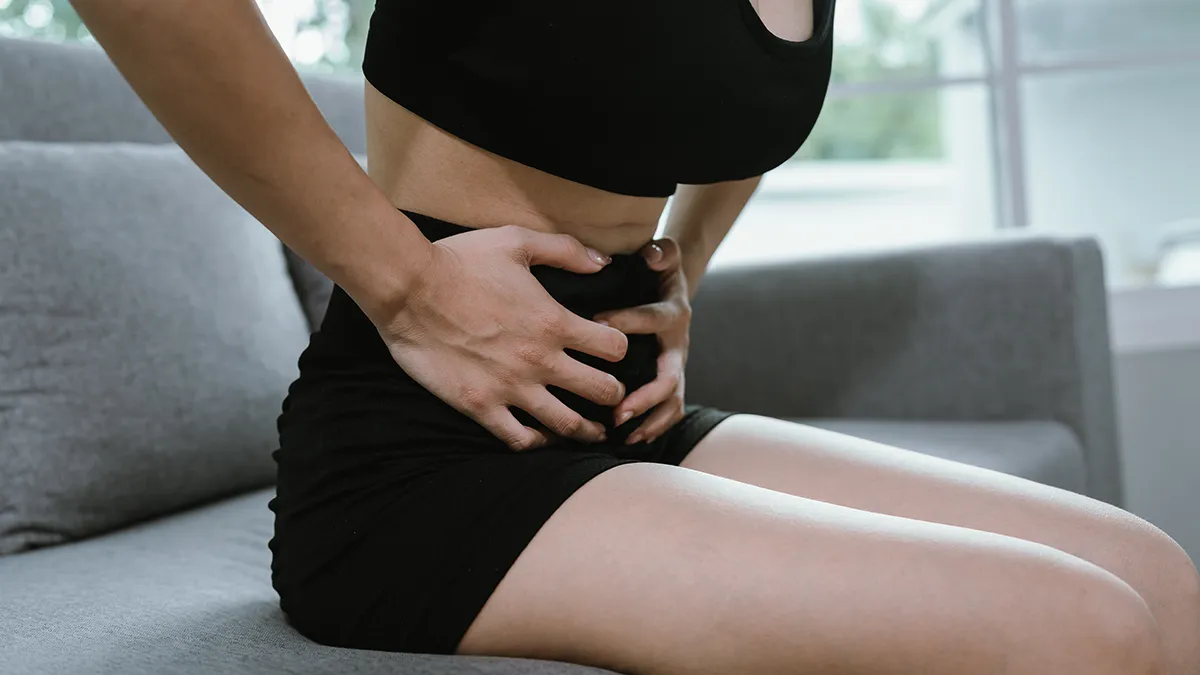
It may not be the gut, it may be the stomach, gallbladder, liver, or low enzymes. When nutrients aren’t absorbed, symptoms ripple outward—into energy, mood, skin, and beyond. The reasons and results of digestive issues are:
- Digestive enzymes deficiency
- Celiac disease
- Small Intestinal Bacterial Overgrowth (SIBO)
- Bile Acid Malabsorption (BAM)
These lead primarily to the deficiency of B12, Iron, Vitamin D, Zinc, Magnesium & Potassium
Poor Nail, Hair & Skin Health
We all pretend that health is all we care about, but we also (or more) care about how we look and present ourselves. We are all somewhat vain and want to be perceived as attractive, healthy, and vital, and we may even prioritize looking good over feeling good when we’re younger. But ideally, your youthful exuberance will be a byproduct of your body having all of the building blocks it needs.
If you have:
- Dry skin is a vitamin A and vitamin E deficiency symptoms; ideally, you’d use an internal vitamin source and external topical if you’re really dry. If you’re healing poorly and feel like you’re losing collagen prematurely, unnaturally sagging for your age, this is one of the low vitamin C symptoms.
- Hair thinning - Which vitamin deficiency causes hair loss? It’s a perfect storm of iron, zinc, or B vitamin deficiencies.
- Brittle nails – can happen if you lack protein in your diet, but regarding vitamin deficiencies, it’s mostly related to biotin (B7) and less iron, B12, zinc, and magnesium
Muscle Weakness, Fatigue, and Physical Decline
If you’re not in the autumn years of your life, you shouldn’t feel weak and fatigued. The body was designed to recover even from strenuous activities and to rest when tired. You’re eating right, training, not indulging in addictions and poisons (too often), but still, you’re sort of weak and beige. Your body feels weaker than it should, recovery takes longer than your peers, and you unlock new fears, like, what if I slip and fall on these stairs, it may not just be getting older. It’s not trusting your body as you used to. Unless you’re couch potato-ing it through your 30s and 40s, this should not be happening.
It may be:
- Protein deficiency. Please, please remember, do not trust the pyramid. Carbs are not essential (we can make them from fat), but fat and protein are essential to the body. Be really deliberate about protein, especially if you’re on a plant-based diet, because protein is the main building block of your entire body.
- Low magnesium or electrolytes (sodium, potassium, and calcium). These are essential for muscle contraction and relaxation, as well as energy production. Even the most perfect machine is useless if it has no power.
- Chronic iron deficiency that can cause weakness in the arms and legs. This one keeps popping up everywhere, doesn’t it? Because nothing will function if the oxygen transportation doesn’t.
Hormonal Imbalance, Weight Changes, and Energy Swings
Giiirl! This one is for all of us thinking there is something wrong with us when our body and sanity gets snatched by a violent hormone shift, when the dough we’re kneading somehow absorbs through the hands and ends up on our belly forever, for all of us who wake up feeling on top of the world, and then crash and burn in an hour or two.
When our system feels unpredictable, it’s very likely that we’ve not really been paying attention to our nutrition, and the signal to “Change or else…” is just getting louder. If you feel any of these, the key players here may be:
- Vitamin D3 + K2 balance
- Magnesium deficiency
- Myo-inositol (which is a fabulous addition to metabolic health, just as berberine), especially for women, as a help to fertility and blood sugar regulation, and especially if you’re starting to cultivate that spare tire
Anemia, Iron, and Blood Health (The Core of It All)
Anemic is not just tired. It is waking up, living, and going to sleep dead tired. It is not having enough energy for basic daily tasks of life, where a pile of dirty dishes might as well be the ascent to Kilimanjaro, always feeling like a grayish veil is covering all colors and freezing at room temperatures.
Low iron, low hemoglobin, poor blood oxygenation means chronic fatigue, general weakness, and brain fog, like you’re always just on the cusp of understanding, but it keeps escaping.
You might notice these anemia symptoms:
- Pale skin
- Cold extremities
- Dizziness or shortness of breath even at mild exertion
Understanding things like what is iron saturation can also help you see the full picture. It is not just how much iron you have, but how well it’s being used. Millions of dollars would be quite nice to have, but useless if you couldn’t get to them. It’s the same with iron.
The Bigger Picture
Look, here’s the truth. The body is not separate cogs working together in a mechanical way, as you’d imagine the insides of a clock ticking along. Clock gears can’t adapt and can only affect a gear next to them with mechanical force. The body is more like everything everywhere, all at once. It is a coordination and a symphony of infinite interactions and operations within the system, creating a melody of you. If you knock a few instruments out, the melody will still hold, but will not be the same piece. But unlike the body, a music piece does not have required elements and can be anything, even a single droning note or complete silence (it’s been done).
Every living system needs key elements: to obtain energy, exchange materials with the environment, grow and repair, breathe, and move (though this is not required to be considered alive). So by this logic, food and breath become paramount if you’d like to be alive, and gut health becomes the way our body gets the stuff we need from the environment, dwarfed only by the inescapable need of drawing breath. The gut is the beginning of vitality, and please don’t buy any story telling you otherwise. You cannot heal or fix any malaise if you don’t have the tools and building blocks to repair and recover, and many modern diseases are downstream effects of long-term GI and gut issues and broken metabolisms, which will lead to nutritional deficiencies. Easily brushed off if they are temporary setbacks (you’ve had a bad taco or the flu), but a gateway to serious nutritional deficiencies if chronic.
The cooperation of various compounds in the body is so profound that a single vitamin deficiency is rare, and, unless you’re going to have expensive blood tests for vitamins and mineral deficiencies, the chances that you’re going to blindly stumble upon one vitamin or mineral you’re most deficient in are basically zero. Deficiencies cluster. They overlap. They amplify each other. This is why the multi-vitamin, multi-mineral, or all-in-one supplements are the best course of action for general health and wellbeing, be it opting for anti-aging or beauty supplements. Still, your beauty, youth, and vitality choices will also fall on unfertile soil unless you’ve sorted out your gut issues first, so each anti-aging vitamin should be fused with health supplements to fix the inflammation, gut lining, and microbiota responsible for nutrient absorption first (or simultaneously). You can take extreme doses of vitamins and minerals, and it won’t mean diddly squat if they just pass through you unabsorbed.
Best anti-aging and gut health supplement recommendation
All of this is why we’ve also wanted to give you something actionable to go on - a suggestion of a carefully crafted, clean, proven, and super-easy to take supplement - with clinically effective doses of all of the nutrients our bodies need daily. It also has a special focus on supporting the gut and providing bioavailable forms of compounds that our body can actually use. This one ticks all the boxes of what we’ve been discussing. You’re, of course, free to do your own research, but we did some for you, and our supplement recommendation is FAQ™ Pure all-in-one supergreens supplement.

This one was 5 years in the making to bridge the formula-engineering challenges and calibrate the exact doses that work best (and together, amplifying or balancing each other) in human bodies. The original idea behind Swiss precision here, besides making the world's purest and most effective daily supplement (that surprisingly doesn't taste as bad concerning how healthy it is; you know, there's mostly a tradeoff), was to provide people with a multi that has everything. The FAQ™ brand was kind of tired of people who wanted to be healthy and nutritionally balanced having to treat it like a full-time job and still guesstimate, due to all of the information overflow out there. The point was to give you everything you need and nothing you don't in a scoop-mix-drink seconds routine. You're done and out of the door, and don't need to obsess about or micromanage. The point was freedom.
What is FAQ™ Pure?
It features 85 perfectly calibrated high-quality active ingredients, including clinically-proven NAD+, CoQ10, Quercetin, Creatine, Magnesium, Enzymes, and Super Mushrooms, and a whole lot of vitamins, minerals, antioxidants, probiotics, enzymes, botanicals, and adaptogens - all in dosages you can actually benefit from. And, all components were created not to compete, but to complement. FAQ™ Pure beauty-tech elixir was designed to support:
✔ Digestion and gut health
✔ Immune health
✔ Cellular protection
✔ Energy levels
✔ Metabolism
✔ Healthy brain function
✔ Joint health & muscle function
✔ Hormonal regulation
✔ Blood sugar levels
✔ Bone health
✔ Eye health
✔ Heart health
✔ Healthy blood formation
✔ Healthy skin, hair, nails

Results: What do people say about FAQ™ Pure?
Based on an ongoing study of this new and exclusive formula, the preliminary results show that people feel improvements in:
LESS CRAVINGS
71% of participants experienced less sugar cravings in just 2 weeks.
LESS BLOATING
87% of participants noticed less bloating and improved digestion within 2 weeks.
ENERGY
In just 2 weeks, 93% of participants felt more energized and less tired throughout the day.<
FOCUS
83% of participants experienced reduced brain fog and improved focus and mental clarity in just 3 weeks.
BETTER SLEEP
72% of participants experienced better sleep in 3 weeks.
MUSCLE RECOVERY
70% of participants noticed faster post-workout muscle recovery in just 2 weeks.
LESS STRESS
72% of participants reported a better mood and feeling less stressed in just 4 weeks.
If you were on the hunt for a good gut health supplement (FAQ™ Pure is packed with 10 digestive enzymes, supergreens, superreds, probiotics, prebiotic fiber, and 5 super mushrooms) with some extra bang in all areas of beauty and longevity, this is the one. You can read more on the specific compounds in an in-depth analysis here.
When you finally give your body what it’s been quietly asking for, it doesn’t just function—it comes back online. We hope you’ve learned something new and will take some of what we’ve talked about today and implement it in your life. A supplement is not a substitute for good nutrition, but it can make a lot of difference. We vote on and invest in our future with every plate we make, and the things we do every day matter most. Stay cool, stay curious, eat well, and be well, dear friends. See you on the flip side. Bon appetite and bottoms up.






Leave a comment