10 min read
1+1 = 11: Integrating Supplements with Skincare Routines

You can absolutely combine quality supplements and topicals to get a sort of double whammy and hit a concern from the inside and out at the same time, making the whole a lot greater than the sum of its parts. Proven anti-aging supplements can be used alone or in combination with targeted skincare products. We've come a very long way from the (sometimes deadly) history of skincare and tried it all in a weird millennia-long episode of Jackass, only to finally focus on science, results, and expert opinions and disciplines to assess and analyze which compounds really do hold merit for health, longevity, and anti-aging, to turn back time. Cher would be proud of us.
The combination of anti-aging supplements and your topical of the same purpose just functions better. Imagine you were to install some new knowledge in your brain. Would you prefer to just skim a book, or would you retain more if you took notes, listened to a podcast, and used flashcards? This is what you’re doing in this pharma-skincare combo. Your cream, serum, gel, mask, or ampule influences the epidermis and upper dermal layers (the top of the skin), but supplements support the systemic biology that underlies skin health, which is why they can help fade the side effects of, let's say, rapid weight loss like Ozempic face. This includes the below the surface actions, such as collagen synthesis (no collagen, no youthful skin), antioxidant capacity (how well you can defend your tissues from damaging free radicals), inflammation control (chronic inflammation will age us), hormone balance (hormones are the equivalent of "one ring to rule them all" vibe), and cellular energy production (energy is currency of all living things).
In other words, what you apply to your skin and what you ingest is like doing skincare in stereo, repeating the same message through various channels until it takes root.

Skin Architecture
All things in existence have an architecture to them, from a daffodil or a ladybug to a sedimentary rock. They have a way they are put together, or components that need to work together, for the thing in question to do its unique job and serve its purpose.
Living systems are ever more complicated than a rock by the sole fact of being alive and in constant flux, changing and evolving minute by minute. Skin cells are alive (unless they’re ready to be sloughed off, naturally or with the help of some exfoliation technique). The cells are constantly dividing, differentiating, repairing, turning over, and replacing senescent (old) cells with new, fresh, plump ones. The process of maintaining the necessary architecture for skin to work optimally and look healthy depends on:
- Amino acids (that come from protein breakdown) to build structural proteins - collagen and elastin
- Vitamins and minerals as enzyme cofactors, assisting and serving as precursors, detoxers, and optimizers
- Lipids (fats) to maintain the skin barrier, a naturally produced film over the top layer of skin that will protect from environmental toxins, pollutants, and the elements
- Antioxidants to neutralize oxidative stress; free radicals are rogue molecules that steal electrons from other healthy molecules to balance themselves out
- Adequate cellular energy production in mitochondria in the form of ATP (adenosine-triphosphate)
Topical products can help fill up some gaps, or form a replacement barrier if your skin barrier is damaged, and may even deliver some aminos, vitamins, and minerals, but they can’t fully replace what needs to be built into the cell by design, as it divides. That’s where supplements become meaningful for us, not as magic pills (don’t buy those smoke and mirror fairytales), but as metabolic support to build stronger cells and let them remain so by supporting the skin environment with topicals.
Ideal Supplement + Skincare Pairs
For those of you looking for a multi-level methodical approach, here are some examples of how anti-aging supplements can work symbiotically with various skincare products and which have true mechanical relevance to skin performance, state, and appearance:
Collagen Peptides + Collagen-Boosting Skincare
Collagen peptides are like a toolbox stacked with glycine, proline, and hydroxyproline. These key amino acids are used in dermal collagen synthesis, providing the basic materials for the formation of natural collagen.
+
Topical collagen-boosting creams or serums with peptides, retinoids, or Vitamin C to stimulate collagen production further.
Coenzyme Q10 (CoQ10) + Antioxidant-Rich Skincare
CoQ10 is a fat-soluble antioxidant that we can find in every cell. The body naturally produces it, and it is very important for normal energy production within the mitochondria.
+
Antioxidant-rich skincare products containing Vitamin C, Vitamin E, or green tea extract, because more energy production means more burning and more byproducts of burning (free radicals) to neutralize. There is no use revving up the energy without cleaning up the consequences of burning more fuel.
Resveratrol + Anti-Inflammatory Skincare
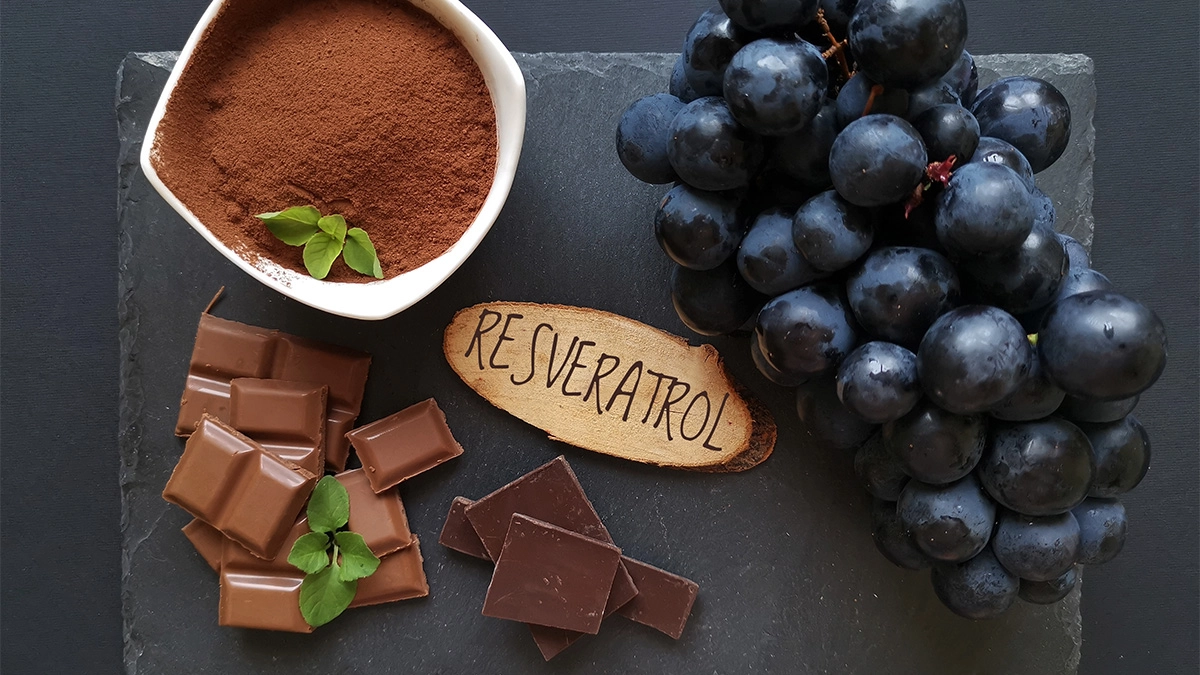
Resveratrol is an antioxidant, anti-inflammatory, and cardioprotective compound that guards against cell damage, chronic inflammation, and improves blood circulation. It can also help with weight management and prevent diseases like cancer and diabetes.
+
Anti-inflammatory and soothing skincare products containing niacinamide or chamomile.
Omega-3 Fatty Acids + Hydrating Skincare
Omega-3s support the lipid skin barrier we've spoken about as one of the primary protectors of skin health. They also reduce low-grade inflammation and are an excellent choice to treat dryness, redness, and inflammatory skin conditions.
+
Hydrating and moisturizing products with hyaluronic acid, ceramides, or squalane to lock in moisture and help repair the barrier even faster. Remember that moisture is what makes your skin look young. The older we get, the lower the water percentage in the skin (and the body in general) becomes.
Nicotinamide Mononucleotide (NMN) + Cellular Repair Skincare
NMN boosts NAD+ levels for a wonderful cascade of more cellular energy, DNA repair, and weighing down those merciless clock hands from ticking away on you. It significantly reduces wrinkles, boosts collagen, hydrates, improves tone and texture, protects against UV-damage, reduces inflammation, and lowers oxidative stress.
+
Products that promote skin renewal, such as retinoids or growth factors, enhance cellular turnover and repair, allowing you to replace old cells with new ones, supported by NMN and NAD, as quickly as possible.
Astaxanthin + UV Protection Skincare
Astaxanthin is a polyphenol (like resveratrol) that supports the body's antioxidant capacity and is especially good at reducing UV-induced oxidative damage, similar to the function of carotenoids.
+
Broad-spectrum sunscreens with high SPF and antioxidants to provide additional protection against UV rays. This pair works especially well if you live in areas with many sunny days or summers with a dangerously high UV index. Keep in mind that about 80% of visible skin damage is sun damage.
Curcumin + Anti-Redness Skincare
Curcumin is another natural polyphenol and is anti-inflammatory, antioxidant, and antimicrobial. Most often, it is used to treat acne, psoriasis, and eczema because it is great at reducing redness, enhancing healing, and boosting collagen. If you have some scars or blotchiness that annoys you, you'll enjoy the fact that it brightens skin, fades hyperpigmentation
+
Products containing green tea, aloe vera, or calendula, which are designed for sensitive or redness-prone skin, to reduce inflammation and soothe the skin.
Green Tea Extract (EGCG) + Antioxidant Skincare
EGCG is perfect for oily, sensitive, and aging skin due to its super anti-aging, acne-fighting, and soothing benefits. It reduces sebum, calms redness, protects against UV-induced damage, and enhances skin hydration.
+
Antioxidant-rich serums or creams that also include green tea extract to enhance its benefits.
Vitamin C + Brightening Skincare
No vitamin C in the body, no collagen, no skin firmness. Vitamin C is required for collagen cross-linking and stabilization, and it's best to use it both orally and topically.
+
Use with vitamin C brightening serums and creams to enhance skin luminosity and even out skin tone. Nothing will age you as fast as dull, lifeless skin.
Vitamin E + Repairing Skincare
Vitamin E, ingested or applied to skin, is a fat-soluble antioxidant superster that protects cellular structures from damage, while supporting immune, eye, skin, and brain health.
+
Repairing and restorative skincare products, such as those containing Vitamin E or ceramides, to aid in healing and protect from outside damage.
Vitamin D + Moisturizing Skincare
Vitamin D is so important in the body that it acts like a hormone, and its deficiency leads to all sorts of problems, not least with the immune function. It plays a huge role in immune regulation, barrier function, and keratinocyte differentiation (skin cell maturation process).
+
Deep moisturizers that complement Vitamin D's benefits by ensuring the skin remains hydrated and protected.
Vitamin A (Retinoids) + Retinol Skincare
Vitamin A is a group of chemically related organic compounds that includes a lot of our faves, such as retinol, retinyl esters, and several provitamin carotenoids, most notably β-carotene, which we're familiar with and force ourselves to eat carrots for.
+
Retinol-based products to enhance cell renewal and improve skin texture, but be cautious of irritation with this combo.
Vitamin K + Healing Skincare
Vitamin K is needed for blood clotting and wound healing, and in the skin, it improves circulation, accelerates bruise healing, reduces redness, and supports collagen production.
+
Products with Vitamin K or arnica that aid in wound healing and reduce the appearance of bruises and scars. This combo is especially good for problematic skin that's on the path of healing.
Hyaluronic Acid + Hydrating Skincare
Hyaluronic acid in supplement form is great for skin, eyes, and joint health. In just a few weeks, it will improve skin hydration, reduce wrinkles, and alleviate joint pain by boosting the body’s natural supply of this necessary compound.
+
Hydrating serums and moisturizers with hyaluronic acid to enhance skin plumpness and reduce fine lines on the surface faster.
The “Skin-Nutrient Gap”
As we age, it is not necessarily that we have fewer nutrients, vitamins, or minerals; more likely, our bodies' processes slow down, slowing or reducing absorption. Growing old means (in addition to drying out) truly slowing down on the micro and macro levels, and we may need more building blocks and signals to achieve the same level of proficiency that your 20-year-old skin did on its own.
We must also take lifestyle and the contemporary world into consideration. Artificial light allows us to stay awake much later than in previous human history, messing with natural circadian rhythms and, by extension, hormones. And most commercially farmed soil is depleted by monocultures, so our food lacks vitamins and minerals once present. A supermarket tomato today is not the same as the one from a hundred years ago. The pollutants in the air, water, and products offend our cells daily, and the skin barrier has to fight that much harder. Washing your face in a bucket from the stream or with tap water and harsh soap makes a big difference. But even without these sidelines, the body will naturally see changes that will reflect on the health and appearance of the skin:
- Collagen synthesis declines, making skin looser and more fragile and facilitating the appearance of lines and wrinkles.
- Digestive efficiency may decrease, so you can have just as abundant nutrients as 10 years ago, but the skin just can’t use it as effectively.
- Nutrient absorption can change, meaning you may need more nutrients available to absorb the same amount as before.
- Chronic low-grade inflammation increases as the body's cleansing processes (microcirculation and lymph flow) slow, and debris, cellular waste, and toxins accumulate.
- Mitochondrial efficiency drops, meaning there will be less ATP produced with the same amounts of nutrients and oxygen
Though this horror story may look bleak, it comes with a silver lining - mature skin often benefits more from inside-out support than younger skin does, and the older you are, the better results you may notice from the same skincare routine once gaps in nutritional status are optimized. Integration becomes more than addition, and 1 + 1 is no longer 2, because our bodies are far more complex than a whiteboard equation or a simple furnace. We’re a symphony of inter-influences, and everything affects everything else.
Suggestion: The all-in-one supergreens supplement
It is wonderful if you can exactly pinpoint what you need and what nutritional deficiencies you have, but this takes a lot of testing. For those more inclined to throw a wider net with a precisely engineered all-in-one supergreens supplement, we’d recommend something that’s been tested, verified by quality certificates, and ideally has batch-level testing to guarantee no quality slips.
Five years in the making, FAQ™ Pure all-in-one supplement masterpiece with 85 high-quality active ingredients, such as NAD+, CoQ10, Quercetin, Creatine & proprietary ingredients such as Qfer™ & QvitK2™, delivering a complete blend of essential vitamins, minerals, antioxidants, pre & probiotics, superfood botanicals, adaptogens & enzymes to support vitality, anti-aging, and longevity and mittigate GLP-1 side effects. A single cup a day green drink that brings clarity - replacing the cost, confusion, and cognitive overload of managing countless separate supplements. A great choice if you’re not into wellness and anti-aging becoming a full-time job. Mix and drink one thing, and you’re done.
By combining oral supplements with skincare topicals of complementary benefits, you’ll get far more than you’ve bargained for. Sure, the desire for beautiful, youthful skin is what it starts with, but the skin is a reflection of the organism's internal state. Beautiful, glowing skin means your cardiovascular system, heart, kidneys, and liver are also working well and using nutrients effectively. If the skin cells are:
- Producing more collagen and elastin
- Repairing faster
- Turning over more efficiently
- Managing higher metabolic demand
This means that the pancreas cells, brain cells, and connective tissue cells are doing the same. Take gorgeous skin not as a goal in itself, but as a visible marker of health.
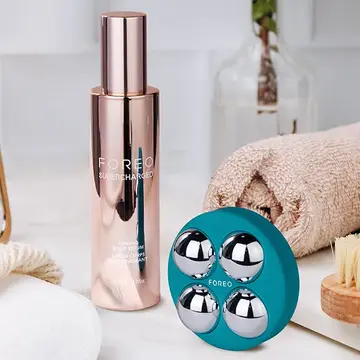
So, in conclusion, yes, you can certainly do each one separately, but why not fuse the anti-aging beauty supplement and skincare into a new, third, benevolent chemical entity that supports your skin and body health inside and out? Think of this integration of supplements and skincare like this: Topicals give instructions, amplify, and protect the top layer. Devices (like red light therapy and microcurrent toning devices) provide stimulation and wake up cells, and anti-aging supplements provide the building materials to make new cells stronger.





Leave a comment