13 min read
Can You Do Too Much Red Light Therapy?

You've probably been privy to the alienesque revolution rolling through high-tier skincare with LED masks illuminating every corner of our thoughts, desires, and hope. We cling to the hope of a completely non-invasive (but effective) anti-aging method crashing through the orbit of impossibility into our daily skincare routines. Red light therapy is real, scientifically proven to work, and increasingly available in compact, handheld LED therapy devices, now ridiculously easy to use. The therapy is gentle, painless, demands zero downtime or recovery, and you will look out-of-this-Earth cool while using the devices. Still, the more popular the therapy becomes, the louder the questions echo through the cascade of fans: Can you overdo it? How often is too often? And, is the daily use of red light therapy dangerous?
We are here to talk about cause and effect, the risks of not following instructions or of presuming that if a little is good, more must be better. Even the most innocent treatment is still an intervention of a sort and will have a therapeutic window of where it works best. What if you just kept washing your face for hours upon hours with the gentlest foam? Is the 30th wash as beneficial as the first, and would the gentleness of the foam matter? There is a point past which everything starts giving diminishing returns, or right out causes damage.
This guide is here to help you answer all your questions about misuse or overexposure to red light therapy, decide whether the opulence of overuse is worth it, or explain the skin symptoms if you’ve been misusing the device for a while. We’ll walk you through everything you need to know—starting with how RLT works in the cell, followed by signs of overuse, the long-term risks of overdoing it, and how to create a common-sense routine that will allow you to get the best results out of your high-tech pet. By the end, we’ll answer the biggie that’s been burrowing tunnels into your mind: Is daily red light therapy really okay? (Spoiler: Yes, it can be with the right approach.)
What Happens During Red Light Therapy?
What we casually and practically call NIR (near-infrared) and red light therapy (RLT), as we admire the SF vibes, flowed into premium skincare salons and clinics from medicine, and is known by many other names. Low-level light therapy (LLLT), soft laser therapy, cold laser therapy, biostimulation, photonic stimulation, low power laser therapy (LPLT)... but the verbal mastery of Shaspeare was right. A rose by any other name would be just as rosy and fragrant. RLT, too, is what it is, regardless of how you holler at it, using light-emitting diodes (abbreviated LEDs) to emit low-level light that penetrates down to the cellular level. To a cell, the therapeutic wavelengths of light energy serve as a jump start for its own systems and operations, primarily boosting mitochondria (power plants) health and ATP production (cellular energy your whole body runs on), which has downstream systemic results such as treating:
- scars, stretch marks, and wrinkles by boosting collagen and elastin formation,
- psoriasis and acne,
- inflammation or edema,
- damaged muscle tissues,
- and signs of aging and deterioration.
Red light therapy is the most commonly used and scientifically supported for tissue recovery and anti-aging effects that most of us are looking for in LED therapy treatments. Specific wavelengths of red light - usually in the 630 to 850 nanometer range - get absorbed by your cells. The cells readily soak up the energy they’ve co-evolved with ( the sunlight has all of the wavelengths), and are now equipped with more resources, which can enhance their performance.
The mitochondria we mentioned are the key players in how red light therapy works. Stimulated by light, these bean-shaped organelles improve their function, producing more ATP (adenosine triphosphate), which all cells in your body use to power life. The only exception is red blood cells, which need all of the space to carry maximal amounts of oxygen and can’t risk having an organelle that combusts carbohydrates and fat in the presence of oxygen to steal a part of their precious oxygen load. The cell gets higher energy, effectively rejuvenating its process and uses this new energetic load to support everything from collagen production to reduced inflammation and tissue repair, switching from surviving to thriving as a young cell would.
This all sounds fantastic, right? And, surely, more must be better. Why not continue to flood the cell with more energy indefinitely and pump out progressively more ATP? Because a biological system needs rest. A towel submerged can only absorb so much water. Once completely wet, it cannot absorb any more, no matter how hard you force it, but a towel won’t get damaged. It can be dried. The skin will have some side effects (mostly not long-term) if forced. There is an optimal window where extra energy is for a system, and the point at which returns diminish, things turn, and start to cause fatigue. You need to give your tissues a break.

But there is a catch to catching youthful skin. Not all red light therapy devices are made equal, not even close, and you can’t just pick up any old thing. Do your research and find a quality device that supports its claims with evidence and, ideally, real before-and-after photos of red light therapy. Red light therapy does not come cheap, and you’re looking to invest, not just spend on trinkets. Wavelength precision, irradiation (light power measured in mW/cm²), device quality, and red light therapy dosage control are extremely important and are what define the best red light therapy devices. There are some great links in this paragraph covering what you need to know to find yourself a gosh darn best possible device, and now we’ll dive in deeper into what overdoing red light therapy means and what the signs are that you might be doing too much for your needs.
Can You Overdo Red Light Therapy?
The question of the day. Yes, it’s possible, though anything more serious is very rare if you use recommended settings, get quality devices, and follow your device's instructions for use.
Like your in-laws or tequila, red light therapy works best in moderation. If we were to break down the scientific principle of diminishing returns with RLT, it is a phenomenon people in white lab coats dubbed a biphasic dose-response. This means that at low, controlled red light therapy doses, a beneficial cellular activity will be elicited. But! Push past the sweet spot (even the little bears know there is a place where things are just right), and you may slide into the opposite, anything from diminished efficacy at higher doses as the organism gets used to the stimulus, to straight-out detrimental outcomes.
Overexposure to red light therapy can lead to skin (or other tissues) refusing to respond effectively, or to mild side effects such as temporary redness, fatigue, or irritation. It’s not that red light suddenly drops its benevolent mask and becomes harmful, but rather that your cells, much like you after a double espresso, simply don’t perform better when pushed too hard. They just inevitably crash.
What are the Signs of Doing Too Much Red Light Therapy
When we try a new thing in our lives, some mistakes are pretty much a given (and half of the fun) along the learning curve. Trial and error is such a reliable way to learn that even evolution uses it daily. We hope the information below will help you skip along the learning curve with some more pep in your step, and that we can help you avoid some mistakes or at least enable you to notice you’re doing them early. So how will you know if you’re overdoing red light therapy?
Skin Redness or Irritation
A healthy post-treatment flush is regular. Any mechanical manipulation of the skin will leave a temporary mark, as it draws more fresh blood to the skin surface (which is one of the best benefits of mechanical manipulation, such as massage). Still, persistent redness, very dry patches, or heightened sensitivity that does not go away quickly may signal excessive use of red light therapy, especially if these symptoms appeared right around the time you started (over)using your device. This is not social media; skincare devices are not designed to take up as much of your time as possible. If your skin feels tight, hot, or increasingly reactive after sessions, it’s time to chill it with the red light therapy. Plus, you should be sort of happy if you notice these things. Congratulations, now you are absolutely sure that your red light catch is making a real impact.
Fatigue or Headaches (Rare)
This is one of the rare ones, but it happens, and you should be aware that it is possible. Some users report feeling unusually tired with no apparent reason or developing mild headaches after prolonged or intense RLT sessions. This may be partially due to eye fatigue if the devices are used without protective goggles, or the body’s way of asking you to slow down. Headaches and fatigue are more likely to occur when treating larger areas or combining sessions with other intense therapies. If you notice this happening regularly after red light therapy treatments, please reduce your session length and consult a healthcare professional, because there may be some underlying cause you’re blaming on red light .
Slower Progress or Plateauing Results
Not seeing the same glow you once did? More light doesn’t always mean better results. In fact, overdoing it can desensitize your cells, leading to stagnation or even regression. If your skin or recovery gains have flatlined, take it as a cue to recalibrate your routine—less might just be more.
Remember the times you’ve tried to lose some weight and the first few pounds just slid off, and then nothing seemed to be happening, although you were eating the same and working out just as much. This is called a plateau, basically a place where your kung fu is no longer good enough, although it is the same kung fu that was good enough up to that point. Classic byphasic response. If you’re not seeing the same glow or results from red light therapy, the solution may not be to amp up, but to slow down. Maybe you’ve reached a sort of saturation if you’ve been using it for a while and no longer see red light therapy benefits. More light doesn’t always mean better results. In fact, overdoing it can desensitize your cells, leading to stagnation or even regression, sort of like when your body needs to pump out insulin like crazy due to sugar overloads. After a while, cells will turn a deaf ear to the constant signal, unable to take in any more sugar without risking toxicity and death. If your skin or recovery gains have flatlined, take it as a cue to recalibrate your routine—less might just be more. Let your cells rest and regain sensitivity.
Special Focus: Red Light Overuse on the Face
Facial skin may respond to red light more readily because the skin on the face is thinner and more reactive than the rest of the body, barring only your most private parts. This is also the reason why facial skin will show signs of aging first. There is less scaffolding between the skin and muscle to keep the skin in place, plus the face and neck have about 70 muscles in a small square footage, constantly creasing the skin with movements that allow facial expressions. You’re more likely to see overexposure signs on the face and neck if red light is applied too frequently or at too high an intensity.

This does not mean that daily use of red light on the face cannot be safe, but it depends heavily on two things: your device’s irradiance (light strength) and the overall cumulative light dose over time, meaning you’re doing it a couple of times a day or are extending the treatments far beyond what the instructions for your device recommend. With proper dosage and consistent use, a large majority of people benefit from daily treatments, especially for chronic concerns like inflammation, fine lines, or uneven texture. A good way to think about it is as a daily vitamin: effective in small, steady doses, not in megawatt bursts that’ll just give you very expensive pee because you cannot possibly absorb it all.
Although overexposure is possible, it is rare because at-home LED masks, face masks, panels, and other devices are designed without presuming any formal education in using light therapy. They are milder than professional red light therapy you’d get with bulky machines in dermatology clinics or salons and are safe for frequent use. Low to moderate irradiance levels are the norm for at-home red light therapy to greatly reduce the risk of overexposure while still giving great results with no need for repeated expenses of multiple treatments, or the scheduling tango.
Clinical-grade machines or high-powered LED masks deliver a stronger, more concentrated red light dose and may require longer intervals between sessions and/or shorter treatment times to prevent redness, dryness, or collagen fatigue (yes, that is possible). This is why high-powered devices are used by trained professionals, rather than just marketed to the general public, as you’ll need guidance with a really powerful device to not create damage (or even disease) instead of progress.
The takeaway? If it ever feels tight, warm, or irritated—it’s time to take a pause or scale back your sessions.
How Often Should You Use Red Light Therapy?
Ah, yes. The gist of it all. Not an easy question to be specific on, as we don’t know what kind of red light therapy device you’re using. First and foremost, you need to follow the manufacturer's instructions, as we can’t foresee every contingency and circumstance. But we will say this, in red light therapy, consistency matters way more than intensity. We know that our culture has sewn the seeds of megalomania, tempting us to think that more equals faster results in everything. But, science says otherwise (for basically every facet of being alive). You can overdo just about anything that is good for you: water, exercise, spinach, wine, cats… The goal with red light therapy is to stimulate the skin cells to practically self-repair and rejuvenate through natural processes, not to overstimulate and tire them out.
Depending on your reasons for using RLT, frequency and timing can vary. In most cases, 3 to 5 sessions per week will do, or short daily sessions (5–10 minutes, or even as short as 2 minutes with new red light devices) are considered safe and effective.
Is Daily Use of Red Light Therapy Safe?
Yes, daily red light therapy can be safe when done with intention, not intensity. The key lies in choosing devices with low irradiance (gentle light output), respecting session durations, and listening to your skin if it says no more. No (more) means no (more).
That said, although most people can benefit from controlled daily use of a low to mid-irradiance red light device, daily use isn’t ideal for everyone. We have different circumstances and skin histories, or may be going through an illness or imbalance. Avoid daily use of red light therapy if you’ve recently undergone facial treatments like chemical peels, laser resurfacing, or microneedling; your skin may be temporarily more vulnerable. Red light therapy may aid in recovery, but significantly tone it down, or simply resume your red light therapy schedule once your skin is completely healed if using red light seems uncomfortable and like it’s making the irritation worse. It would be best to consult the professional who performed your treatment to see if they recommend moderate light therapy during the recovery phase. Also, consult a dermatologist or healthcare professional if you have underlying conditions or are combining RLT with other treatments and are unsure whether this is a good idea.
Bonus: Quality LED Device Recommendation
You can check out the entire FAQ™ Collection featuring LED light therapy below.
FAQ™ 100 Collection
- FAQ™ 101 RF & Red Light Wand For Face
- FAQ™ 102 RF, EMS & Red Light Anti-aging Wand For Face
- FAQ™ 103 Diamond-adorned RF, EMS & Red Light Wand
FAQ™ 200 Collection
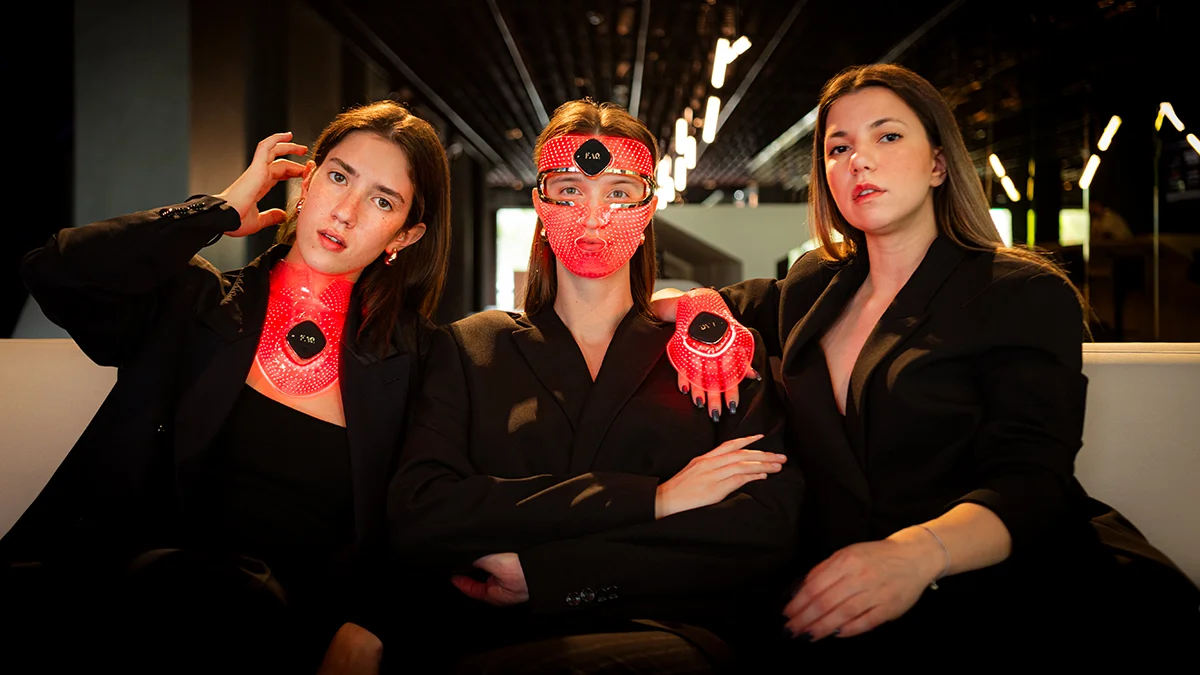
- FAQ™ 201 Silicone LED Face Mask
- FAQ™ 202 Anti-aging Silicone LED Mask
- FAQ™ 202 plus LED face mask
- FAQ™ 211 Red Light Neck & Décolleté Mask
- FAQ™ 221 Anti-aging Red LED Hand Mask
FAQ™ 300 Collection
- FAQ™ 301 LED Hair Strengthening Scalp Massager
- FAQ™ 302 Laser & LED Hair Regrowth Scalp Massager
FAQ™ 400 Collection
- FAQ™ 401 Dual Microcurrent LED Toning Device
- FAQ™ 402 Dual Microcurrent Red LED Toning Device
- FAQ™ 411 Microcurrent Red LED Body Toning Device
FAQ™ 500 Collection
- FAQ™ 501 Full Spectrum Red Light Therapy
- FAQ™ 502 Full Spectrum Red Light & NIR Therapy
FAQ™ LED Light Therapy Panels
- FAQ™ LED Panel (Single)
- FAQ™ Dual LED Panel

Final Thoughts: The Brightest Balance
No fluff, just the bottom line of all we’ve been talking about these past dozen minutes. If you are gonna take anything away from this information, remember the following:
- Can you do too much red light therapy? Technically, yes, but it’s rare, and usually tied to high-intensity sessions you’ve done too often or too long at a time.
- Can you do red light therapy every day? If you’re going to be using at-home red light devices, mostly yes. Just follow the manufacturer’s dosage to a T and don’t push past recommended times. No, seriously, a good producer has done their research, and your recommended times are the sweet spot you’ve been looking for.
How much red light therapy per day is ok? Just a few minutes will do it, usually no more than 10-15. When it comes to new technology, pushing onwards and upwards, more technology isn’t better; better is better, and quality seriously matters.
Consistency outshines intensity, always. So stay cool, curious, beautiful, bright, and enjoy living in your skin.
For those who'd like to know more:
- Who Should Not Use Red Light Therapy? Risks & Safety 10
- Does Red Light Therapy Really Work?
- Red Light Therapy Wavelength: Does Length Matter?
- A Mole in Your Health: Can Red Light Therapy Cause Melanoma?
- Is Red Light Therapy Safe?
- The Benefits of Red Light Therapy for Reproductive Health
- Red Light Therapy Dangers & Possible Side Effects
- Photon Fear Factor: Can Red Light Therapy Cause Cancer?
- Are Red Light Therapy Before and After Images Real?






Leave a comment