14 min read
Hyperpigmentation Station: Types, Causes and Treatment for Dark Spots

Not all dark spots on skin are made the same. They may look similar but can have very different root causes and effective treatments. Still, we humans are very good at grouping similar things into categories. We memorize patterns far better than individual items. This is one of the things that made us a successful species, but it also hinders us by making it harder to see the shades of gray between polar opposites.
Hyperpigmentation is an umbrella term and one of those things where, although types of dark spots on face vary in appearance, cause, location, and treatment, we throw them into the same bucket and generalize. It gives an illusion that our world is under control and less varied than it actually is. But if you were to ask a dermatologist about hyperpigmentation, they would talk your ear off with layers of nuance. This is what we’re going to try and capture today (minus the detached ear) - the main types of hyperpigmentation, how you can recognize each and discern one from the other, the most likely causes, and the best hyperpigmentation treatment for each type.
Natural skin pigmentation, or your general skin tone, and the reason why I look ghostly pale for 11 and a half months of the year, is determined by the amount of melanin present in your skin. All stable things can slip into disorder, so skin pigmentation disorders can also happen when your skin produces more melanin than necessary in certain areas, making it darker than the surrounding skin. The result can be anything from a cute constellation of freckles and individual dark spots on skin to larger areas of skin discoloration in patches.
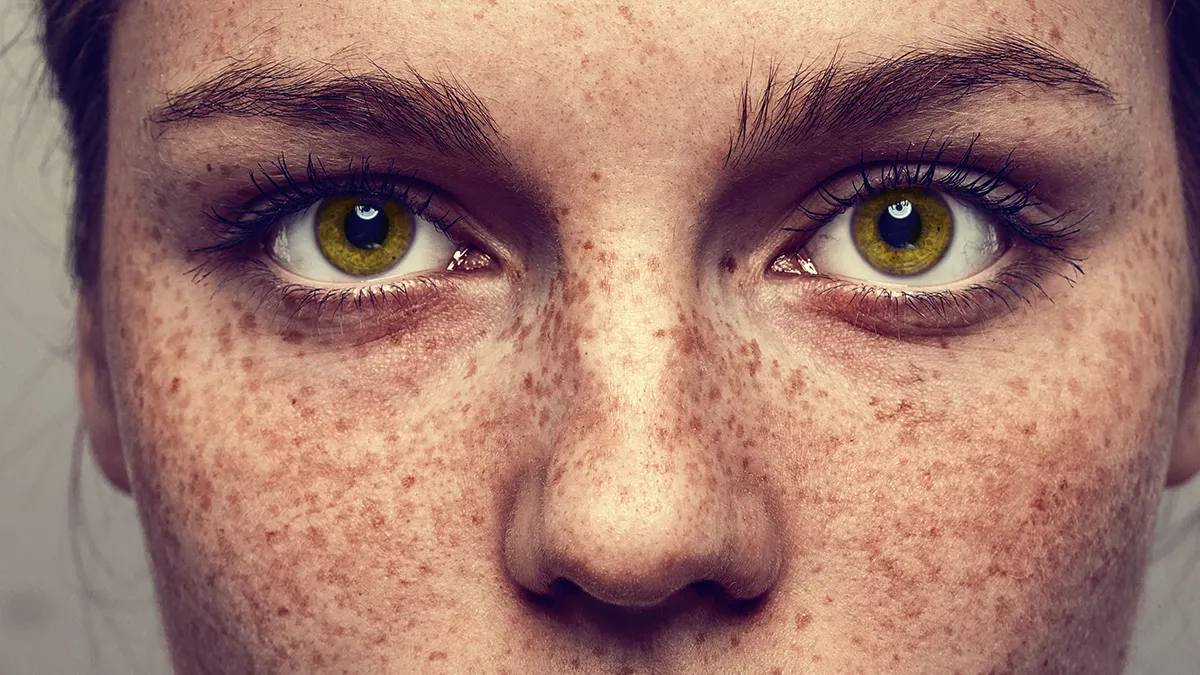
And when one of these non-cute discolorations makes permanent residence on our faces, it’s oh so tempting to reach for the strongest brightening product you can find and drown the dark spot into submission. Don’t do that. Different types of hyperpigmentation have different treatments (and causes), so take some time to figure out what kind of pigmentation you’re dealing with and why before you start squirting lightening creams left and right.
Below, we’ll break down five common types of hyperpigmentation, what they look like, and the treatment options that may help get you to your uniform self.
Types of Hyperpigmentation + Treatment
1. Post-Inflammatory Hyperpigmentation (PIH)
If you've been blessed with perfectly clear, blemish-immune skin, kudos and congrats to you, and we're jelly like a jellyfish. Plus, you can skip this one. If you're, on the other hand, a mere mortal, acne and breakouts will find a way to sneak into your life and ruin a perfectly good day.
It might not even be anything you’ve done, just the hormones shifting during your cycle or that midnight cheese binge last Tuesday. There needn’t be a large sin of sleeping with makeup or picking at a minor spot with dirty hands to make it a volcano.
The acne breakout will subside in time, but it often leaves a calling card: a dark mark that hangs around long after the spot has disappeared. If you’ve got this one, we’re betting on post-inflammatory hyperpigmentation, or PIH, to friends and those in the know. It's one of the most common reasons for lingering dark spots on face.
What is it?
A simple explanation for post-inflammatory hyperpigmentation is that the skin produces excess pigment after inflammation or injury. Instead of fading once the original irritation settles, the area can remain darker than the surrounding skin.
Common causes
PIH can be caused by acne, but it can also result from eczema, psoriasis, burns, injuries, or aggressive skin procedures. Essentially, anything that causes significant inflammation or injury to the skin. We’re looking at the precocious behavior of something akin to scar tissue.
Appearance
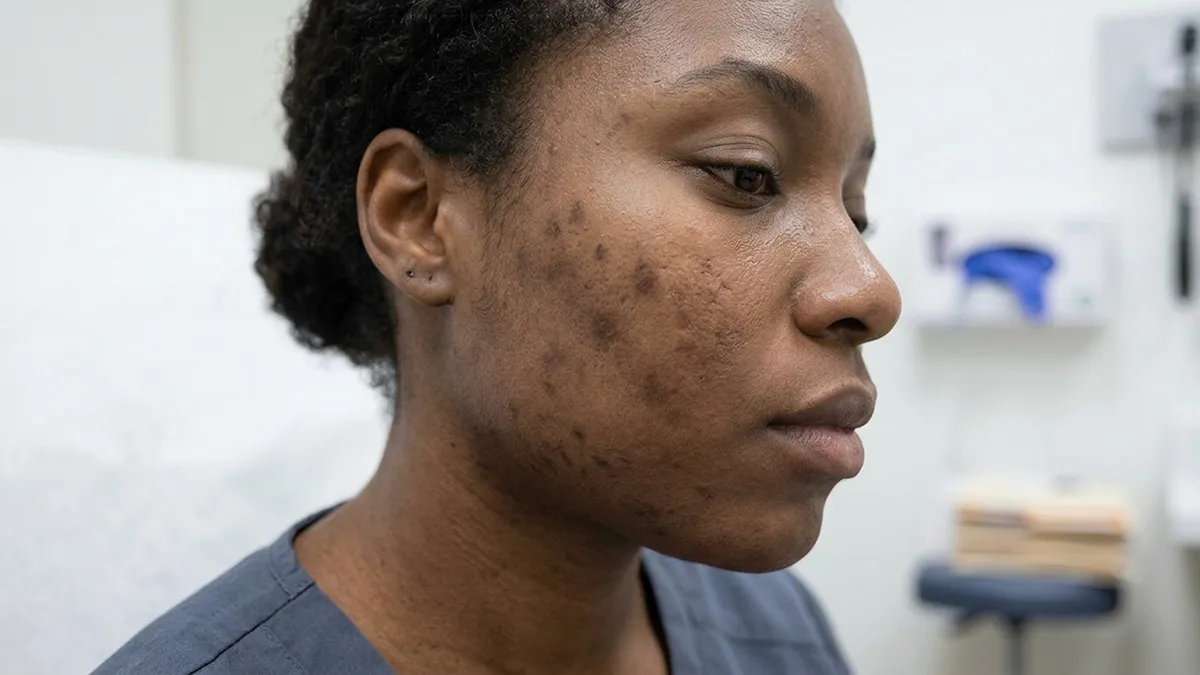
We can both have PIH, but for different reasons, and it can look completely different. The visual manifestation depends on your natural skin tone and how deeply the inflammation affected the skin. PIH marks may appear pink, red, brown, or black. They are generally flat rather than raised, so you won’t feel anything out of the usual under your fingertips. In most cases, it’s just discoloration.
First-line topicals
Raising our fists to the sky in helpless rage does nothing. The goal is to calm inflammation, reduce excess melanin production, and encourage skin cell turnover to fade the blotch.
Ingredients commonly used to fade PIH include azelaic acid, particularly for acne-prone skin, as well as vitamin C and niacinamide right at the top of the list. Retinoids such as tretinoin or adapalene can also help accelerate cell turnover, while hydroquinone may be used for a short period under medical advice. Don’t do this one on your own.
In-clinic procedures
If you have seriously persistent pigmentation in a certain area, you can go a bit more aggressive with chemical peels using glycolic or salicylic acid. These will get the job done, but are not as harsh as to cause new damage. Picosecond, or Pico, lasers can also target localized pigment. The clinic will decide if the laser is the way to go based on your particular case.
Crucial rule
We always want to look for the root cause and treat the trigger, not just the consequence. If active acne, eczema, or another inflammatory condition is still present, deal with the inflammation first. Otherwise, you’ll just be mopping up in a room with an overflowing sink, without turning off the faucet.
At-home options
Red light therapy hyperpigmentation before-and-after results are real, visible, and measurable. You can expect to see improvements in 4–8 weeks of consistent use. This may vary depending on the extent of your damage, how long it’s been there, whether you're getting professional treatments, or the quality of your at-home red light therapy device of choice, be it red light masks, LED wands, or red light panels.
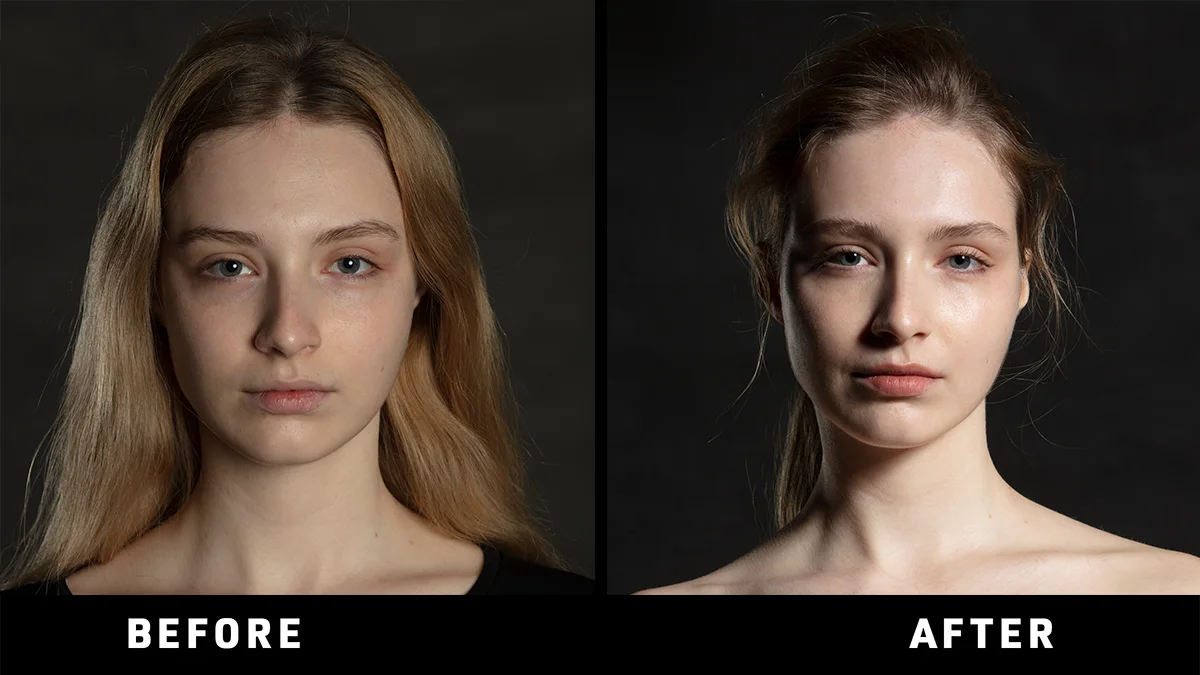
NOTE: Be careful with darker skin tones (Fitzpatrick skin types IV–VI), which are more sensitive to light and can show melanin overproduction due to more melanocytes. Darker skin hyperpigments very easily, be it an acne scar, a scratch, sun overexposure, or misuse of LED light therapy, and can get melasma, due to heat generation, inappropriate wavelengths, or overuse. You can read more details on red light therapy for hyperpigmentation here.
2. Melasma
Melasma has different presentations and causes than PIH. Pigmentation appears in larger, symmetrical patches rather than individual spots. It's particularly common on the face and can be frustratingly persistent, especially when hormones, sun damage, and heat enter the equation.
What is melasma?
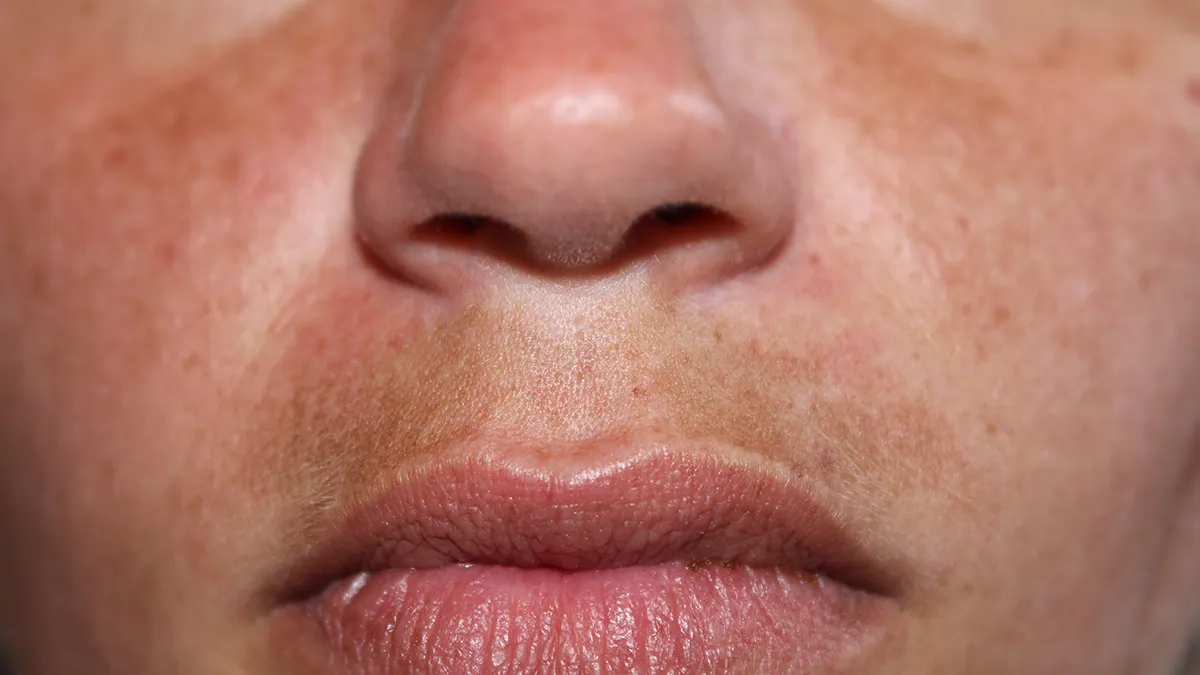
You can recognize melasma by symmetrical, blotchy areas of brown or grey-brown pigmentation. It is also one of the most frequent causes of hyperpigmentation on face concerns that gets people into dermatological offices.
Common causes
Inflammation has nothing to do with melasma, but hormonal fluctuations, such as pregnancy, hormonal contraception, or menopause, can. UV damage also contributes significantly. Sunlight is an electromagnetic radiation spectrum consisting of many wavelengths, including radio waves, X-rays, visible and invisible light. UV light we can’t see, but it is ionizing (as opposed to LED light, which is non-ionizing), meaning overexposure affects cells and living tissues, damaging DNA and causing issues like melanoma in the extreme, but can also trigger or worsen pigmentation.
Appearance
Melasma typically appears on sun-exposed areas of the face, including the cheeks, forehead, upper lip, and chin. The pigmentation is patchy and symmetrical.
First-line topicals
Melasma is moody and needs a more careful approach than some other forms of skin pigmentation disorders because aggressive treatment can make the pigmentation worse.
Prescription “triple therapy” creams combine hydroquinone and a retinoid with a mild steroid. Other topical options include kojic acid, tranexamic acid, and arbutin. But go see a dermatologist. Don’t mix and match on your own, as you can make it worse if you don’t know what you’re doing.
In-clinic procedures
Professional treatments can include microneedling (miniscule needles making calculated damage on skin to force it to repair faster) combined with topical tranexamic acid, or gentle non-ablative fractional lasers such as the Moxi laser.
The idea is to target pigmentation without generating excessive heat, because heat can also worsen hyperpigmentation.
Crucial rule
If you’ve got melasma, sunscreen is non-negotiable if you’re going to have prolonged direct sun exposure, ideally a tinted mineral sunscreen containing iron oxide.
3. Solar Lentigines (Sun Spots, Age Spots, Liver Spots)
Solar, as in pertaining to the sun; lentigines as in lentigines – small, clearly defined pigmented spots on the skin. These present as sharply defined brown marks that appear mostly on people who spent years in the sun with little or no sun protection.
Often called sun spots, age spots, or liver spots, they're a discolored skin type easy to identify and, fortunately, easy to treat.
What is a sun spot?
Solar lentigines are small, flat areas of pigmentation caused by cumulative ultraviolet exposure over time, basically sun damage made flesh (well, made skin, but you get it).
Common causes
Chronic sun exposure, including previous sunburns, most commonly causes them. We all mean that a few sunburns over the course of a lifetime are no big deal, but the sun damage adds up. Years of UV exposure can cause pigment to accumulate in the skin, eventually becoming visible as distinct spots.
Appearance
Solar lentigines are flat, well-defined spots. They commonly appear on areas that receive a lot of sun, including the face, top of the hands, forearms, and chest, and get more common as we age.
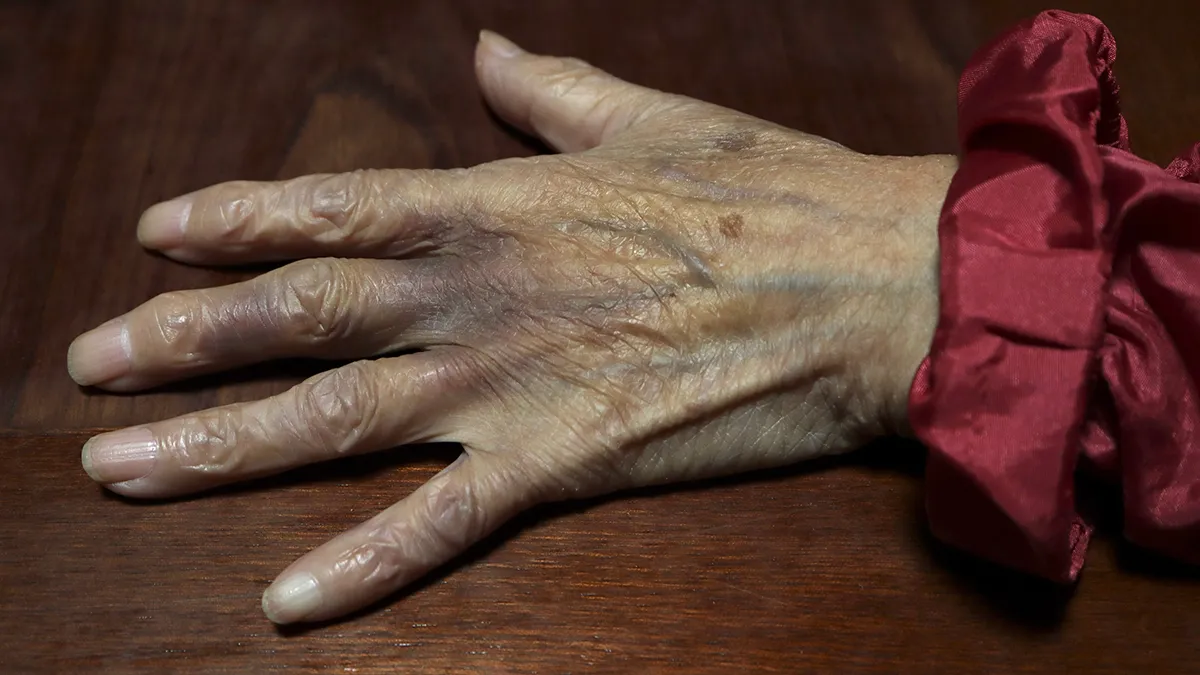
If you're wondering what causes dark spots on your face, well, it’s every time you didn’t wear a hat to garden or when you decided that you didn’t need to be in the shade on this holiday because you’ll only be on the beach for a few hours and it’s not even that sunny.
First-line topicals
Prescription-strength retinoids can help encourage skin cell turnover, while topical AHA and BHA exfoliants can gradually remove pigmented surface skin cells. You’ll need some consistency as this damage was years in the making, and it won’t go away overnight.
In-clinic procedures
If you’ve got serious, stubborn spot action, professional treatments can target the pigment more directly. Options include cryotherapy using liquid nitrogen, intense pulsed light (IPL or BBL), and Q-switched lasers.
These treatments target the pigment within the spot directly, making them an option when topical skincare isn't enough. Think of a process akin to how a hair removal IPL device kills the hair root by funneling energy into the darker hair that has more melanin than the surrounding lighter skin. Something similar, but much more nuanced.
Crucial rule
Sun protection matters before, during, and after treatment. Continued UV exposure can contribute to further pigmentation, so there is no point in getting rid of some sun spots while not protecting your skin from the formation of new. Take the advice from that old Buzz Luhrmann song and “Wear sunscreen!”
4. Freckles
Freckles, fancy name ephelides, are perhaps the most recognizable form of pigmentation and a very desirable and fashionable one too. People with no hyperpigmentation will literally try and fake freckles because they’re just so darn cute. Some lucky people are born with them, and the tiny tan or brown spots tend to get worse after a time in the sun, to their horror and delight of everybody around them.
Unlike other forms of skin pigmentation, freckles aren't a sign that something went wrong. They're completely harmless and add to your charm.
What is it?
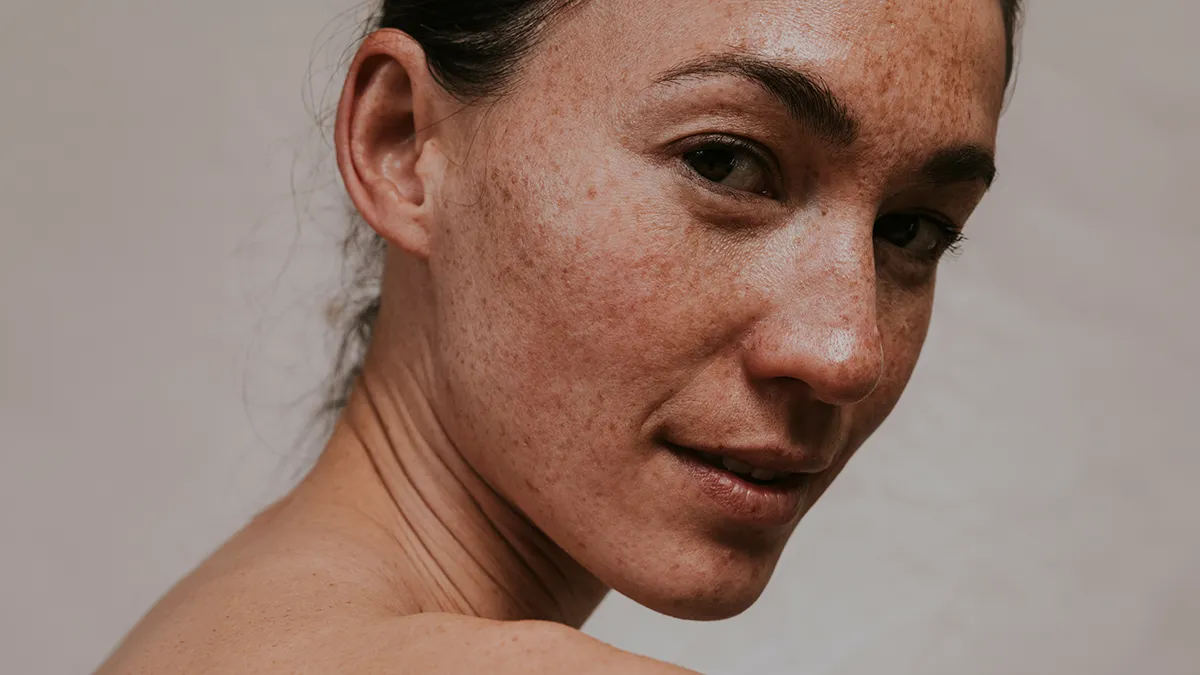
Freckles, or ephelides, are small areas of increased pigmentation that tend to cluster often along the nose, cheeks, and chest.
Common causes
Genetics play a huge role in freckles, which cluster within families, ethnicities, and skin types, while sun exposure makes them more visible. You may notice them darkening in summer and fading in winter.
Appearance
Freckles typically appear as very small, tan or light-brown spots. They are particularly common on fair skin and mostly occur in clusters on sun-exposed areas.
First-line topicals
If you want to make freckles less noticeable, brightening ingredients such as vitamin C, alpha arbutin, and niacinamide can help target excess melanin production as part of a consistent skincare routine.
In-clinic procedures
For a more significant reduction in visible freckles, IPL and Q-switched laser treatments can target pigment. But, once again, I understand that freckle owners may consider them annoying, but the rest of the world envies you, the few chosen ones – keep that in mind if you’re considering erasing your freckles.
Crucial rule
Use daily sun protection. SPF 30+, keep to the shade, and invest in fun and fancy wide-brimmed hats if you’re very pale and live in a sunny area. If you’ve got freckles on your hands and chest, apply SPF there too, and on all surfaces that will be exposed to the sun for more than 15-20 minutes. UV exposure can make freckles darker again, even if you’ve successfully lightened them with treatment, so protecting your skin is key if you're trying to maintain treatment results.
5. Drug-Induced Discoloration
Sometimes, skin discoloration isn't coming from anything you did wrong. It is not a failure of your skincare routine, hormone rollercoasters, or fun in the sun. Sometimes it is simply a side effect of medications that can trigger changes in pigmentation.
What is it?
Drug-induced discoloration occurs when certain medications cause the skin to become darker or develop areas of abnormal pigmentation.
Common causes
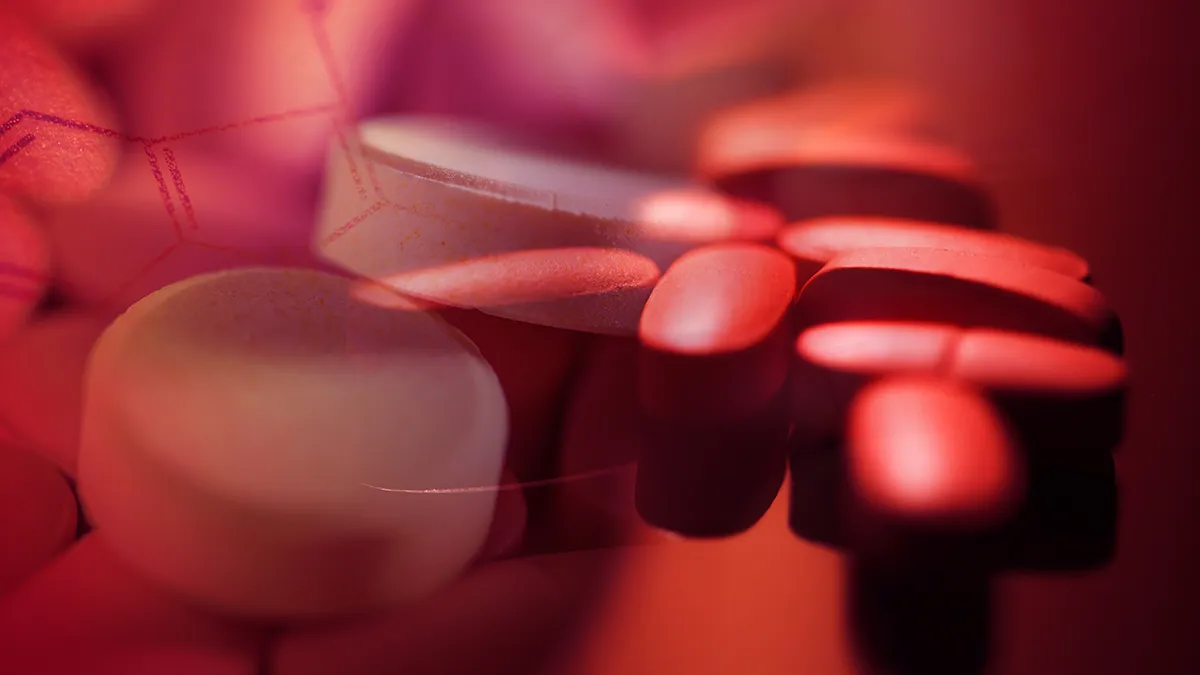
Medications associated with hyperpigmentation include certain antibiotics, such as minocycline and doxycycline; antimalarial drugs like hydroxychloroquine and chloroquine; some heart medications; chemotherapy and cytotoxic drugs; psychotropic medications like chlorpromazine; hormonal birth control; and nonsteroidal anti-inflammatory drugs (NSAIDs).
Appearance
The appearance can vary. Pigmentation may occur as localized patches or become more widespread, and it can look like blue-gray or muddy brown patches, dark purple, whiplash-like lines, grayish, or melasma-like patches.
First-line topicals
Because the cause is medication-related and the pigment may sit deeper within the skin, your usual surface-level skin-lightening products will be a waste of money. Your priority is to identify and address the medication causing the discoloration.
In-clinic procedures
Drug-induced discoloration usually fades once you stop the medication, but if it persists long after you stop or change it, a dermatologist may consider Q-switched or picosecond laser treatments to target deeper pigment.
Crucial rule
Never stop a prescribed medication on your own before speaking with the doctor who prescribed it. Don’t do that, even if you turn smurf blue or break out in polka dots. Talk to your doctor for guidance on how to safely discontinue the problematic medication or what substitutions may be available.
Once you address the triggering medication, pigmentation may gradually fade over months or even years. If it is not a big deal and it is not bothering you, don’t mess with it too much.
How Red Light Therapy for Hyperpigmentation
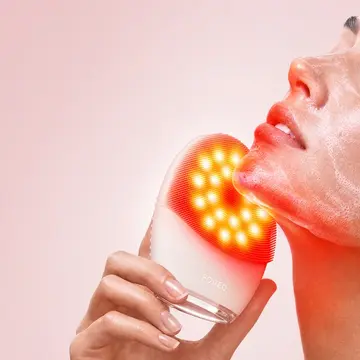
Does light therapy help with hyperpigmentation? Yes, it would seem so, especially yellow light and the therapeutic window of red light wavelengths spanning from 630–660 nm, like those in mega-popular red light face masks like FAQ™ 202 Anti-aging Silicone LED Mask (full-spectrum + NIR), which are ideal for surface interventions on the skin (contrary to near-infrared (NIR) and infrared, which are more suited to treatments of deep tissues, even penetrating into bones, joints, and brain tissue).
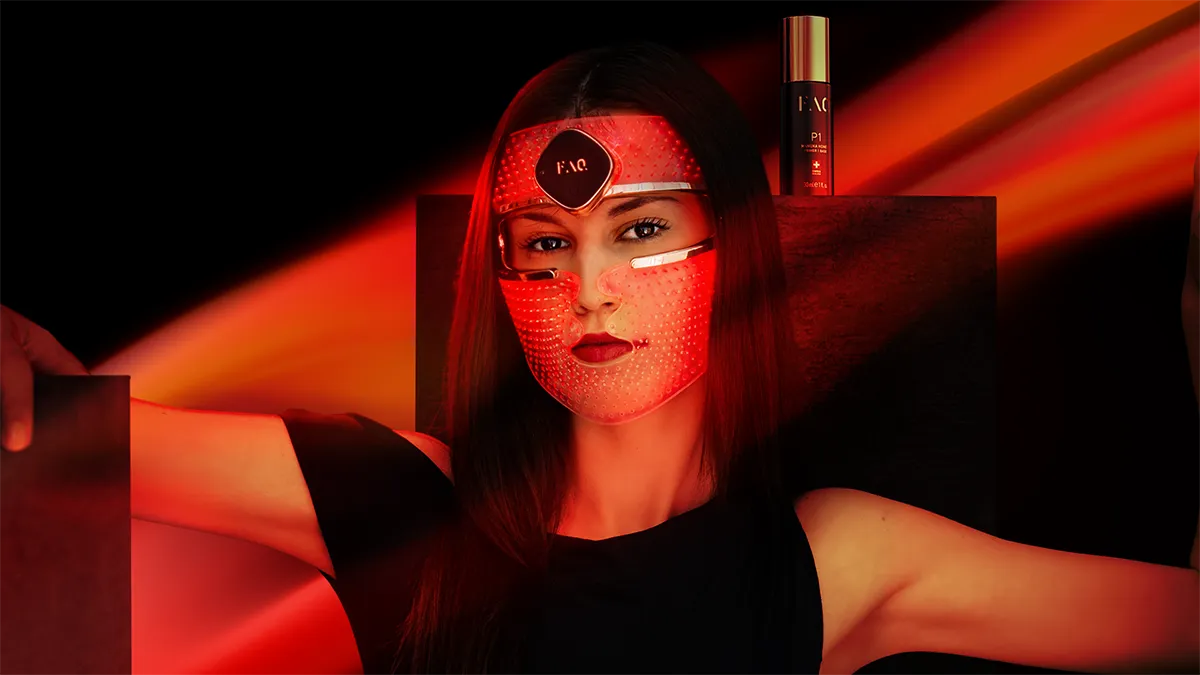
Red light therapy for dark spots works due to the innate ability of certain wavelengths to stimulate mitochondria to produce more abundant cell energy, to calm unnecessary inflammation (inflammation is a normal function of the immune system and is very useful in keeping us healthy when controlled), and to nudge sluggish cell turnover. This way, fresh new cells can emerge at the top layer and make our skin look and feel better and more even. No more rough texture and blotchy hyperpigmentation. Also, by promoting collagen alongside faster cell turnover, it can significantly fade dark spots and sun damage, but don’t expect instant miracles.
The American Academy of Dermatology agrees that red light therapy works with your natural processes and strengthens the desirable ones. RLT is safe, non-invasive, painless, and has basically no side effects outside some vulnerable groups. Red light therapy helps, but not overnight, just as damage was not created in a day.
Red Light Therapy Hyperpigmentation Before and After
Red light therapy hyperpigmentation before and after results are real, visible, and measurable. You can expect to see improvements in 4–8 weeks of consistent use. This may vary depending on the extent of your damage, how long it’s been there, whether you're getting professional treatments, or the quality of your at-home red light therapy device of choice, be it red light masks, LED wands, or red light panels.
What will happen if you stick to your red light skincare regimen? The dark spots you used to cover up will lighten, and the rough, uneven skin tone will smooth over time. If your hyperpigmentation is a result of UV damage, make sure to combine regular red light treatments with a lightweight but high-protection (30 and over) daily SPF, ideally combining UVA & UVB protection.
For very pronounced areas of hyperpigmentation, use brightening agents like vitamin C if you wish to speed up the process. Avoid combining vitamin C with actives like retinol, AHAs/BHAs, and benzoyl peroxide, as they can irritate the skin when used together or may neutralize each other.
On-the-Spot Bottom Line
So what is the best hyperpigmentation treatment? There is no single best one. It is a layered world of understanding the causes and hitting the root of the discoloration, rather than endlessly lathering on lightening agents or investing in therapies that do absolutely nothing for your type of hyperpigmentation. It is as it’s always been on this planet – knowledge is power, and we hope we’ve given you some tools to feel more powerful and better equipped to successfully deal with your dark spot situation.
Dark spots may all look like they belong to the same family, but hyperpigmentation is less of a family and more of a very complicated extended semi-family reunion, loosely bound by melanin bonds, where everyone has arrived with their own baggage, and there is always a situationship.
PIH, melasma, sun spots, freckles, and drug-induced discoloration can look deceptively similar to an untrained (and annoyed) eye, but the reasons they appear - and the way you should treat them - can be completely different. So before reaching for the strongest brightening serum you can find, declaring war on your face, burning up a few layers of skin along the way, figure out what you’re actually dealing with.
The golden rule is simple: treat the cause, not the (dis)color. Calm inflammation when inflammation is responsible, protect your skin from UV exposure, be cautious with aggressive treatments, and get professional advice when you’re not sure what kind of pigmentation you have. It is a good idea to go in for a visit even if you’re fairly sure what you have, because skin discolorations can play a few chameleon tricks.
And remember, fading pigmentation is not a one-hit miracle. It’s a process working with the natural rhythm and cell turnover speed of your body. Some spots took months, years, or decades to form, so give your skin some time to pack them up and leave.
Your most effective strategy? Talk to a dermatologist, know your spots, act, protect, celebrate. Stay cool, curious, gorgeous, and enjoy living in your gorgeous skin. Sometimes we do change our spots after all.




Leave a comment